
Sprinkler System Service for South Jersey Properties
spray head, rotor, valve, controller, and zone service for lawns that need even watering in South Jersey conditions.
Sprinkler Service Built Around How the Property Actually Dries
Irrigation Innovations LLC services sprinkler systems for South Jersey homes, commercial landscapes, industrial properties, and athletic fields that need dependable coverage without wasted water.
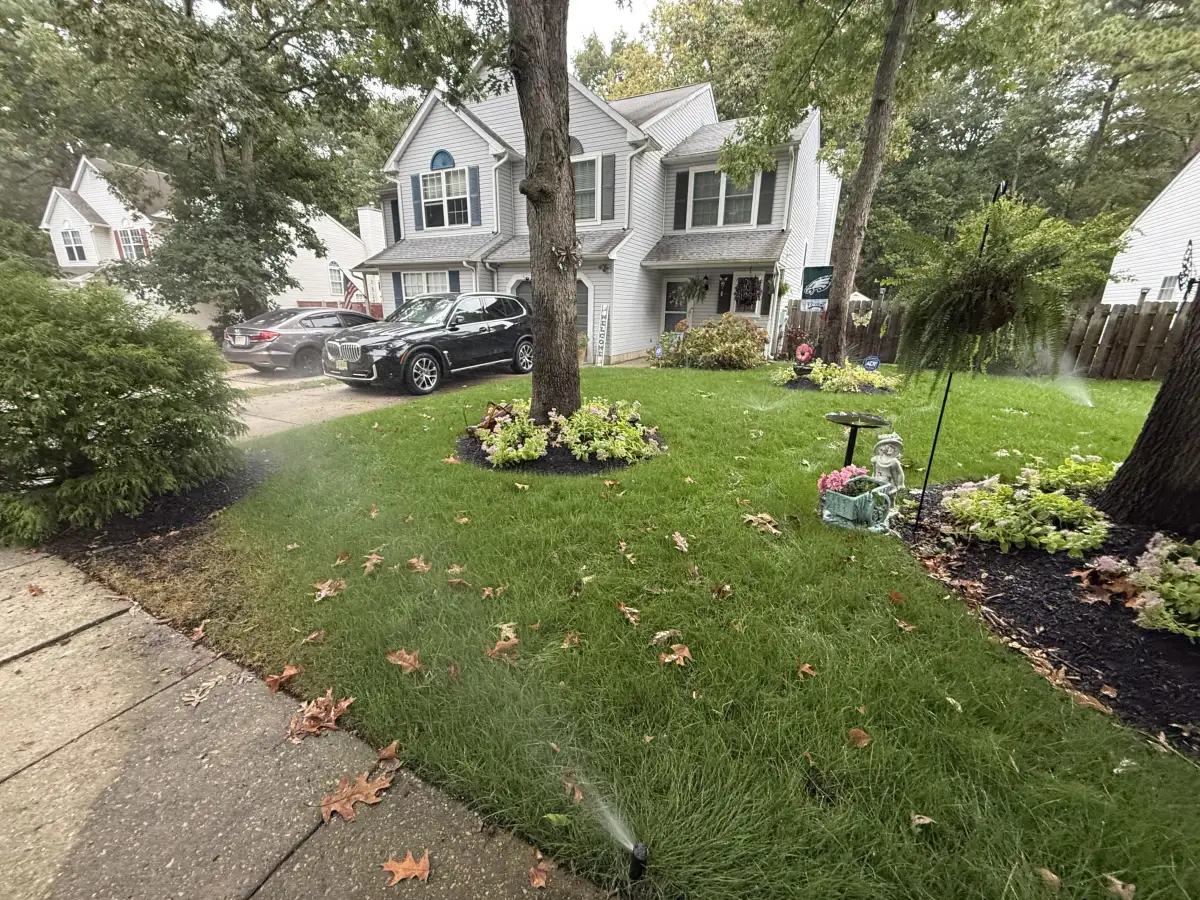
A sprinkler system can run on schedule and still miss the mark. Dry strips along a sidewalk, wet pavement near a driveway, low spray behind a fence, or a soaked shaded corner usually means the system needs a closer look at head spacing, pressure, controller timing, and how each zone is grouped.
South Jersey properties are rarely uniform. A full-sun front lawn may need different runtimes than shaded turf under mature trees. Narrow side yards, foundation beds, new patios, slopes, sandy sections, compacted builder fill, and commercial frontage all change how water should be delivered. Good sprinkler system service looks at those details before recommending new parts, reprogramming, or redesign.
Since 2012, Irrigation Innovations has planned and serviced systems around local soil, shade, grade, seasonal heat, and freeze risk. The goal is a sprinkler system that is easier to own: zones that make sense, heads that reach the right area, controller settings that match the season, and service access that is not buried under mulch or roots.
When a Sprinkler System Needs More Than a Quick Reset
Most service calls begin with one visible symptom. A careful visit connects that symptom to the right repair, adjustment, seasonal service, or upgrade.
Uneven Coverage
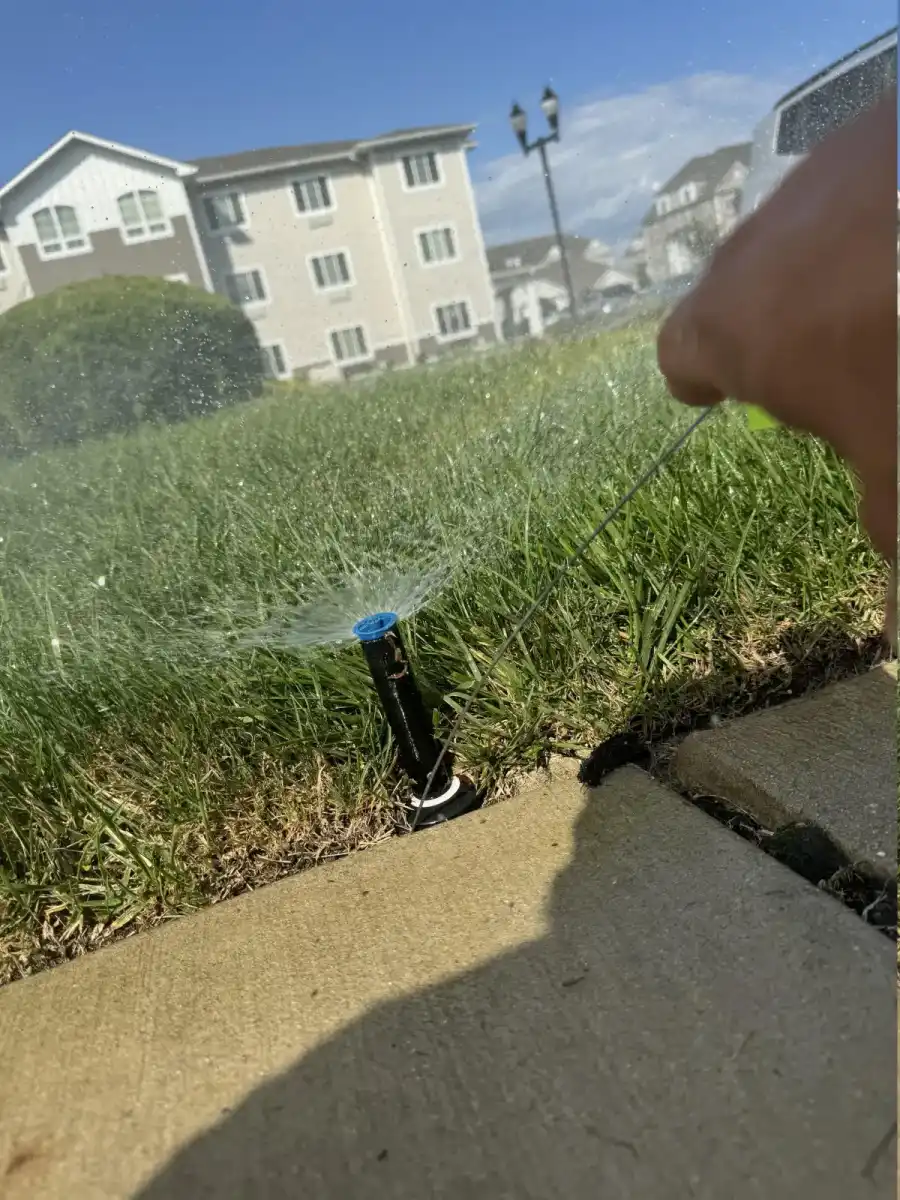
Dry bands, low heads, blocked spray, and rotor arcs that no longer reach their target area can often be corrected with careful adjustments before larger work is needed.
Valve and Pressure Problems
Weak spray, misting, zones that will not start, or zones that will not shut off can point to valves, wiring, pressure changes, filters, or controller settings.
Seasonal Timing
Spring startup, summer schedule changes, and fall winterization all affect sprinkler reliability, especially when freezing weather or heat stress is approaching.
Gloucester County customers can request local sprinkler system service for coverage concerns, seasonal scheduling, repairs, maintenance, and new installations.
Zone-by-Zone Checks Before Bigger Recommendations
The first step is running the system one zone at a time. That shows how spray patterns behave under real pressure, where water lands, and whether the issue is isolated to one head, one valve, one controller station, or a larger layout concern.
When a repair is straightforward, the recommendation may be a head adjustment, nozzle change, valve repair, wire diagnostic, filter cleaning, controller update, or targeted pipe repair. When the original layout no longer fits the property, Irrigation Innovations explains why a redesign, dripline addition, smart controller, or new sprinkler installation may be the more reliable path.
The team uses professional-grade Hunter products for new installation work and carries service parts for common sprinkler issues. Customers get a plain explanation of what was found, what was changed, and what should be watched as the season continues.
That diagnostic approach matters because sprinkler problems often travel through the system. A brown patch may be caused by a nozzle that no longer matches the head, a tilted body after soil settlement, a partially closed valve, a failing solenoid, a clogged filter, or a controller schedule that waters too quickly for the soil to absorb. Running every station also helps catch overspray onto sidewalks, driveways, siding, fencing, and patios before it becomes a water bill problem or a nuisance for the property owner.
For larger residential and commercial sites, the visit may also include practical recommendations for future service access. Valve boxes should remain reachable, controller wiring should be labeled clearly enough for future troubleshooting, and heads near turf edges should be positioned where mowers and foot traffic are less likely to damage them. Those details make routine sprinkler maintenance faster and help prevent repeat service calls for the same symptom.
What Happens During a Sprinkler System Visit
Run and Observe
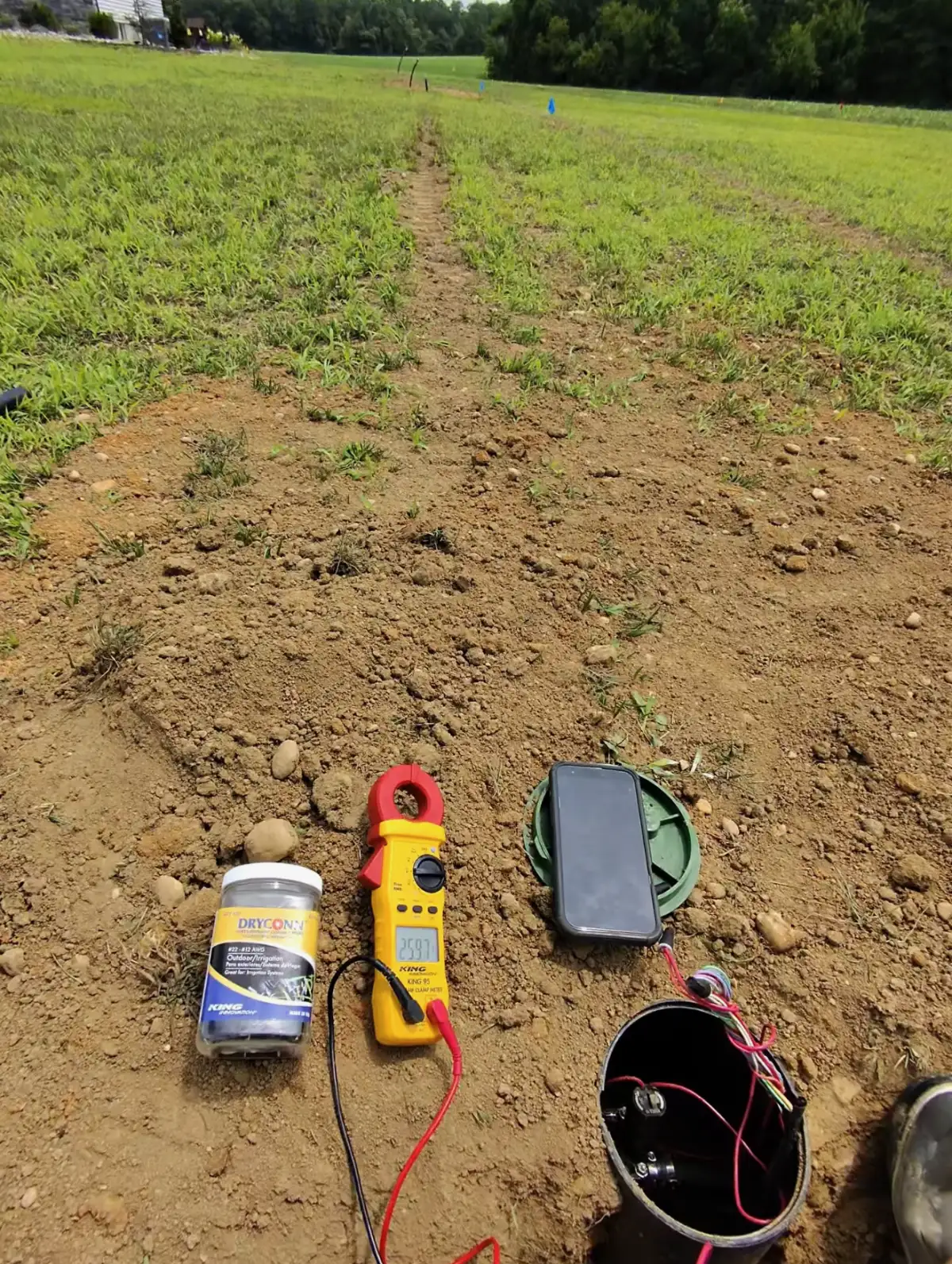
Zones are activated so coverage, pressure, overspray, blocked heads, and leaks can be checked in real time.
Trace the Cause
Visible symptoms are tied back to heads, nozzles, valves, wiring, filters, controller programming, or layout issues.
Make the Adjustment
Useful repairs and programming changes are handled before recommending replacement parts or larger redesign work.
Plan What Comes Next
Startup, maintenance, winterization, dripline, and smart control options are discussed when they fit the property.
A good sprinkler service visit should leave the owner with usable information, not just a running system. Irrigation Innovations reviews where each zone is performing well, where adjustment may be needed later in the season, and whether seasonal services such as spring start-up, maintenance, or winterization should be scheduled to protect the system through South Jersey weather changes.
Compare the Next Best Step for Your System
A sprinkler service visit may lead to a simple repair, a seasonal appointment, or a more complete system upgrade. Start with the symptom you can see, and the system evaluation can identify the right service.
Sprinkler Installation
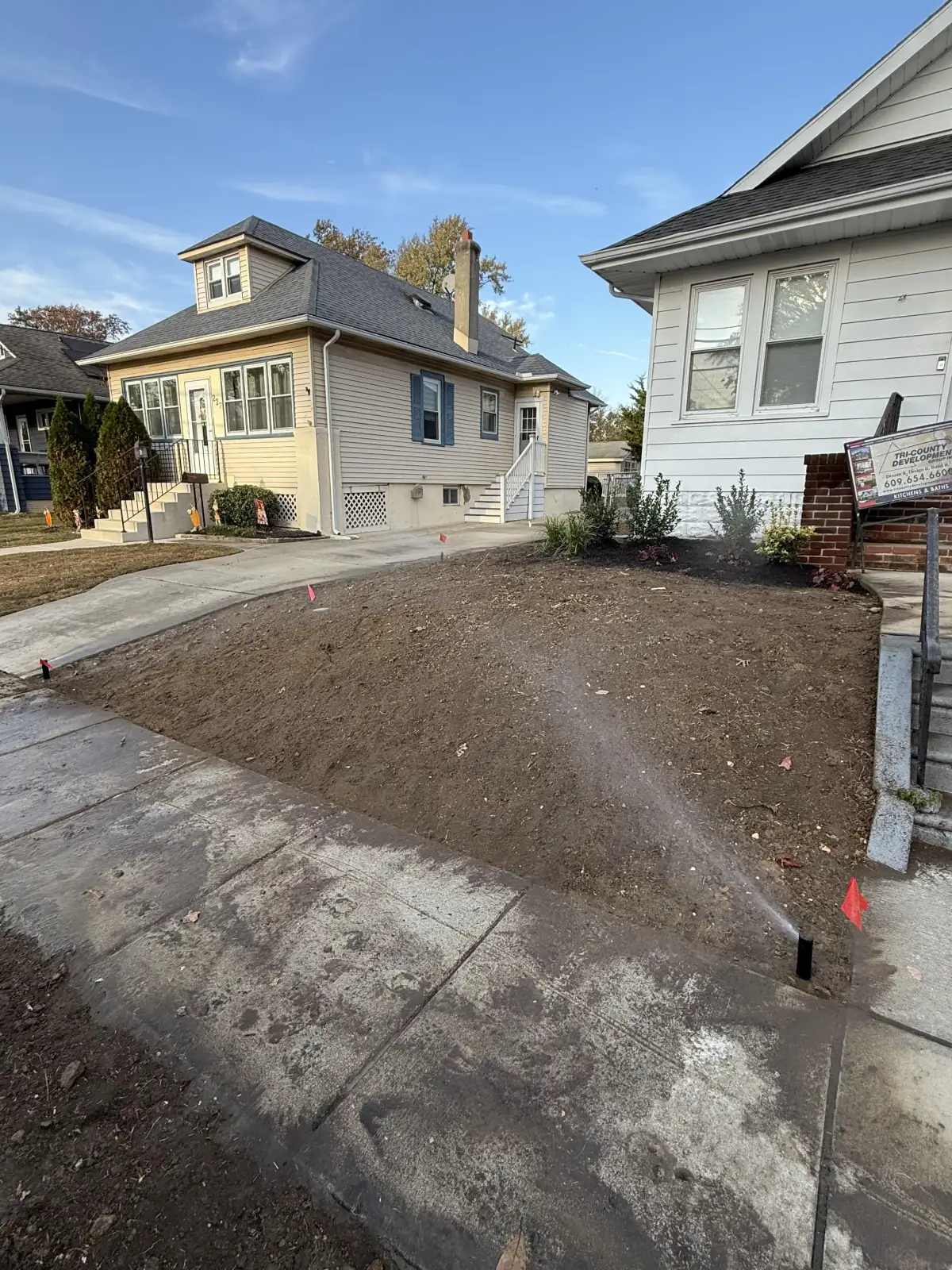
For new lawns, renovations, additions, and properties where the old layout cannot deliver even coverage.
Sprinkler System Repair
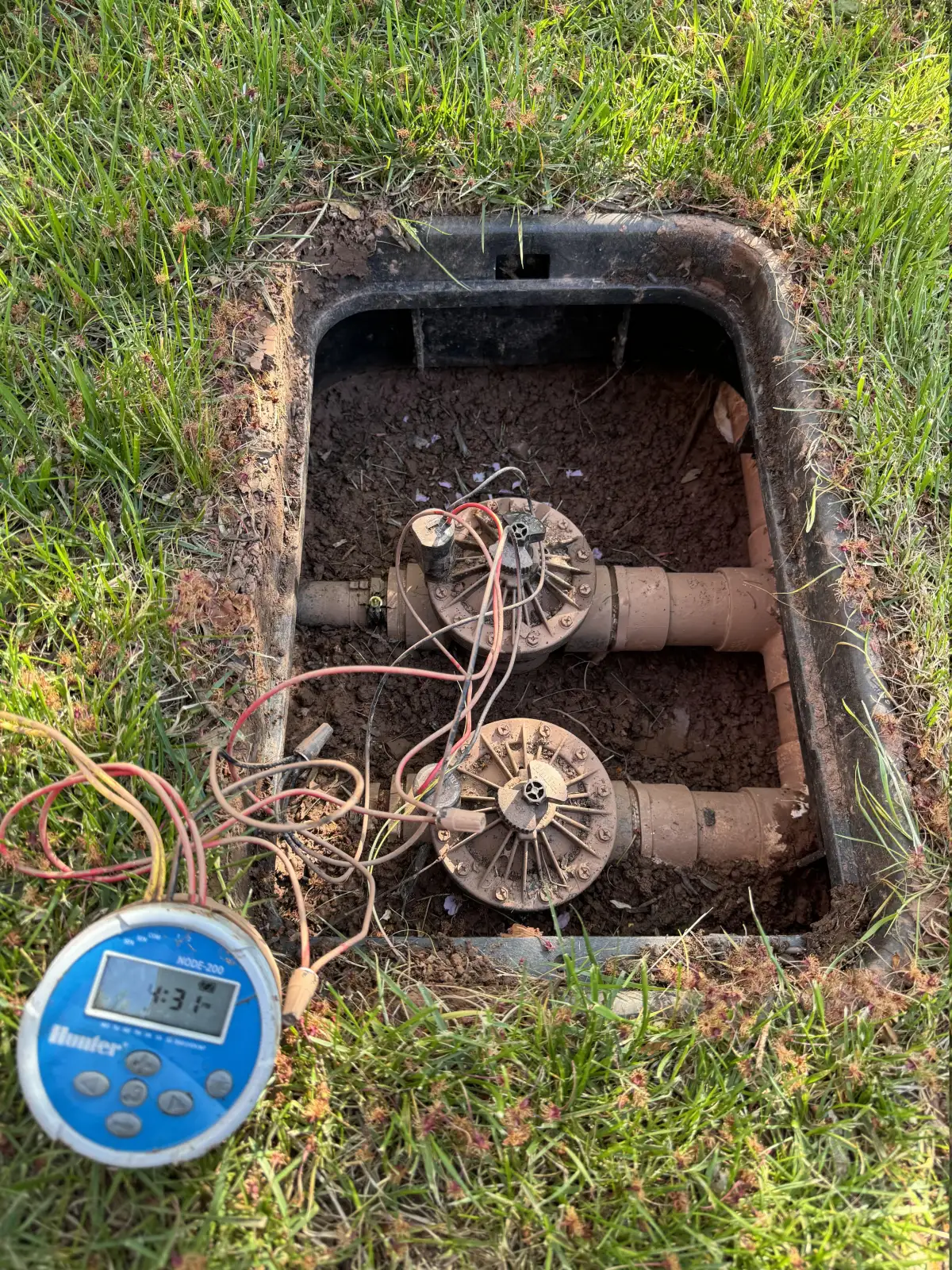
For broken heads, leaking lines, wiring issues, controller trouble, and zones that no longer perform correctly.
Spring Start-Up
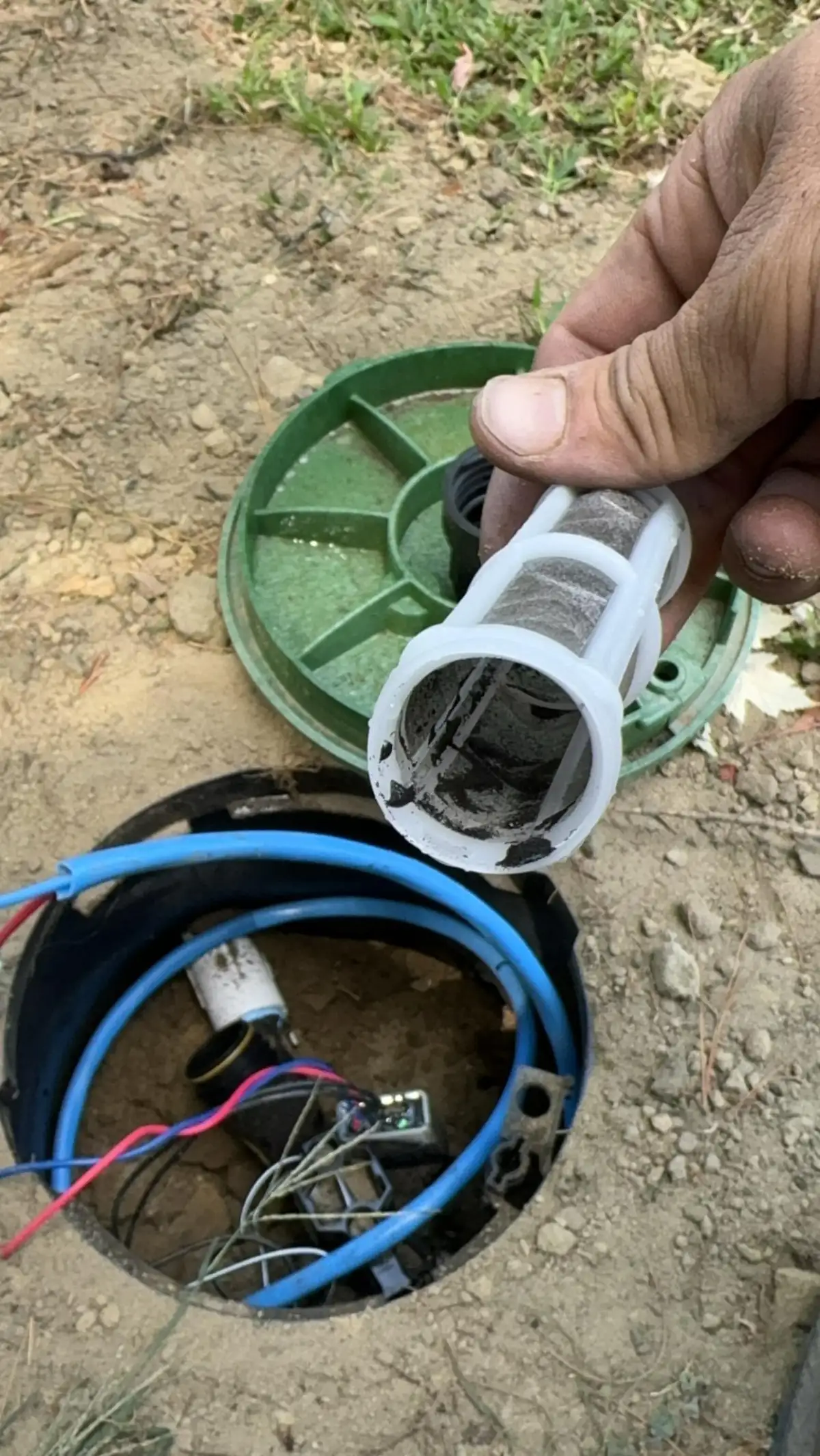
For safe seasonal activation, pressure checks, controller setup, head adjustments, and early leak detection.
Irrigation Innovations serves properties throughout South Jersey, with local Gloucester County irrigation service. Before scheduling, use this guide to the sprinkler system questions worth asking.
Sprinkler System Service That Fits the Season
South Jersey sprinkler systems work hardest when weather changes quickly. Spring service focuses on safe activation, leaks, clogged heads, and controller settings after the system has been idle. Summer service often centers on dry turf, short cycling, heat stress, and changing runtimes without flooding shaded areas. Fall service prepares the system for shutdown, repairs weak points before freezing weather, and confirms that the backflow, valves, and exposed components are protected before winter.
Customers also call when a property has changed. New beds, patios, fences, pools, sidewalks, play areas, and tree growth can all block spray or make an old zone layout less effective. Irrigation Innovations can help decide whether a head adjustment, nozzle change, dripline addition, controller update, or larger sprinkler system redesign is the right solution. The recommendation is based on the current landscape and the way the property is used, not only on the age of the system.
For homeowners, the priority is usually a lawn and landscape that look consistent without constant manual watering. For commercial sites, athletic areas, and managed properties, the priority may include predictable scheduling, fewer wet walkways, stronger curb appeal, and fewer emergency calls during hot weather. In both cases, the service visit should make the system easier to understand and easier to maintain.