
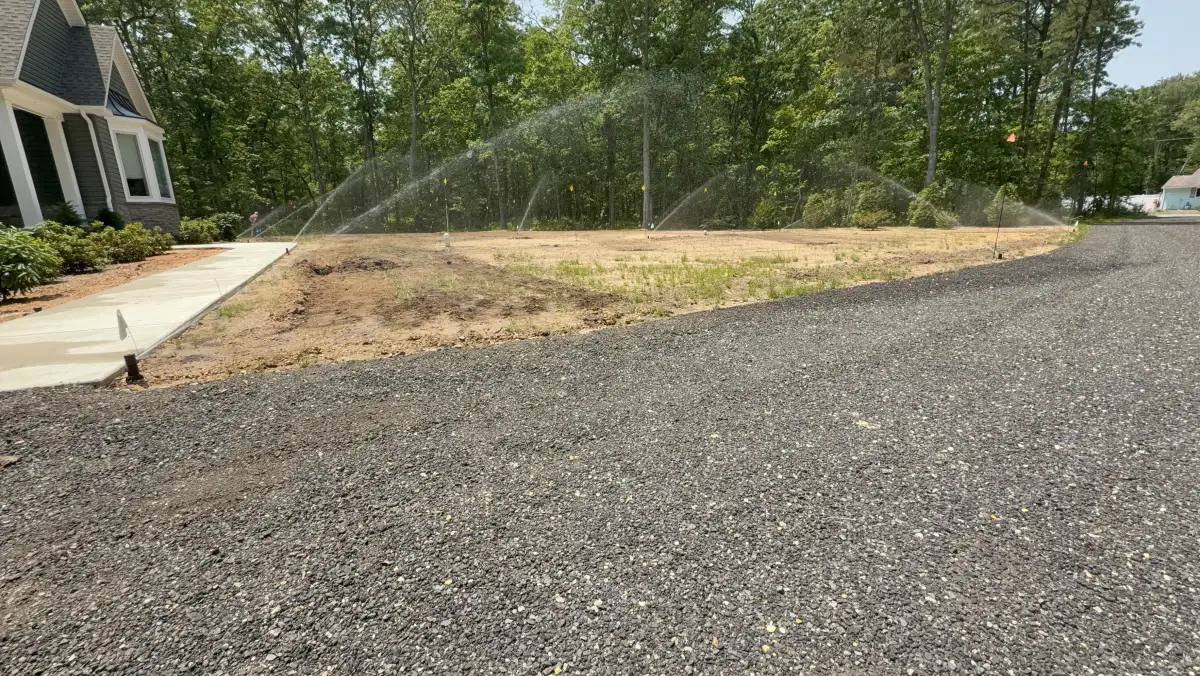
Spring Irrigation Start-Up in South Jersey, NJ
spring irrigation start-up service focused on careful pressurization, controller setup, head adjustment, and early-season leak detection.
Irrigation Innovations LLC provides spring irrigation start-up service focused on careful pressurization, controller setup, head adjustment, and early-season leak detection. The work is planned for customers opening their sprinkler system after winter and before lawn watering becomes urgent across Gloucester, Camden, Burlington, Atlantic, Salem, Cumberland, and Cape May counties.
Spring start-up is the first controlled run after months of shutdown. The system needs water restored gradually, each zone checked under pressure, and the controller brought back to an early-season schedule before hot weather makes every issue more urgent.
We look for winter damage, stuck valves, heads shifted by frost or lawn work, blocked sprays, old programs, and repair notes carried over from the prior season. The visit should leave the system usable and give the owner a clear plan for any repairs that should happen before summer.
When Spring Start-Up Is the Right First Step
Spring start-up brings the irrigation system back online slowly after winter so leaks, damaged heads, stuck valves, controller issues, and coverage problems can be found before the first hot stretch of the season. The visit should pressurize the system carefully, review each zone, and leave the controller ready for early-season watering.
New mulch, early turf growth, edging, and winter cleanup can all block spray patterns before the owner notices a dry area. Startup gives the system a supervised first run so those small problems can be corrected while the landscape still has mild spring conditions.
The first watering schedule should fit the current property, not last August's heat. Shaded side yards, open front lawns, new plantings, and beds near pavement may need different early-season settings so the system does not waste water while the soil is still cool.
Activation, Pressure Checks, and Controller Setup
Water is restored in a controlled sequence to reduce stress on older fittings and valves. Once pressure is available, we run zones long enough to see leaks, weak spray, broken heads, and areas blocked by mulch, grass growth, or landscape changes.
Controller settings are reviewed for the current season instead of simply reusing last year's summer program. Early spring generally calls for lighter watering than July, and shaded areas rarely need the same schedule as open turf near pavement.
Before the visit wraps up, we identify which issues were adjusted on site and which should be scheduled as repair or maintenance. That helps customers enter the growing season with fewer surprises.
Spring Conditions That Affect Watering
South Jersey spring weather can swing from wet soil to dry heat quickly. Startup settings should reflect that transition so the system supports new growth without wasting water before the landscape actually needs peak-season runtime.
Recent property changes matter too. New sod, fresh mulch, fences, pool work, patios, grading, or bed expansion can block heads or change where water needs to land. Mention those changes before the first run so they can be checked during startup.
Startup is also the time to make the system easier to service for the rest of the year. Clear controller access, visible valve boxes, readable labels, and known shutoff locations help future repairs and maintenance move faster when summer demand increases.
Commercial, athletic, and larger residential sites may need the startup sequence planned around high-use areas. We help identify which zones protect the most visible turf, which repairs should be scheduled first, and which settings can stay conservative until heat arrives.
What Happens During Start-Up
- turn water on in a controlled sequence.
- inspect each zone while it operates at normal pressure.
- adjust heads, nozzles, and arcs for spring growth patterns.
- set a conservative early-season schedule that can increase later.
- share repair priorities before summer service calendars fill.
After startup, customers should know how to run a manual test, pause watering, and watch for leaks or weak coverage during the next few cycles. If a repair is recommended, the priority should be clear enough to schedule before hot weather creates turf stress.
A good startup visit turns winter shutdown into an organized growing-season plan. The owner leaves with water restored, early settings in place, and a better sense of which system items deserve attention next.
What Can Change Over the Winter
Even a properly winterized system can need attention when water is restored. Frost movement can shift heads, snow removal can damage visible components, and spring cleanup can bury nozzles under mulch or turf edges. Controller batteries, rain sensors, WiFi settings, and old programs may also need review before the system is ready for regular watering.
That is why startup is handled as a controlled service instead of simply turning on the water. We watch for slow leaks, heads that do not pop up cleanly, zones that fail to activate, and spray patterns blocked by early-season landscape work. Finding those issues in spring gives customers time to schedule repair before dry weather turns a small problem into visible turf stress.
Setting the System for Early-Season Conditions
South Jersey lawns and beds rarely need peak-summer watering immediately after startup. A conservative early schedule helps avoid oversaturation while soil temperatures are still mild and spring rain is common. As the season warms, runtimes can be increased based on sun exposure, soil, plant material, and how each zone responds.
We also explain what customers should watch after the first few cycles. Damp pavement, dry corners, bubbling near a head, or a station that runs longer than expected can all point to settings or repairs that should be addressed before summer. Clear startup guidance makes the system easier to own between service visits.
For larger residential, commercial, and athletic properties, startup may also set the order for follow-up work. High-visibility turf, new plantings, public walkways, and heavy-use areas should be reviewed early so repairs and schedule changes happen before regular irrigation demand peaks.
Services to Plan After Start-Up
Startup often reveals the next seasonal priority, whether that is a repair, maintenance visit, controller update, or fall shutdown plan. Addressing the most important item first helps the system stay reliable as watering demand increases.
Schedule Spring Start-Up
When requesting startup, share the property address, approximate zone count, and any issues noted during last year's winterization or final watering. If the controller, shutoff, or backflow assembly is hard to access, mention that before the appointment.