
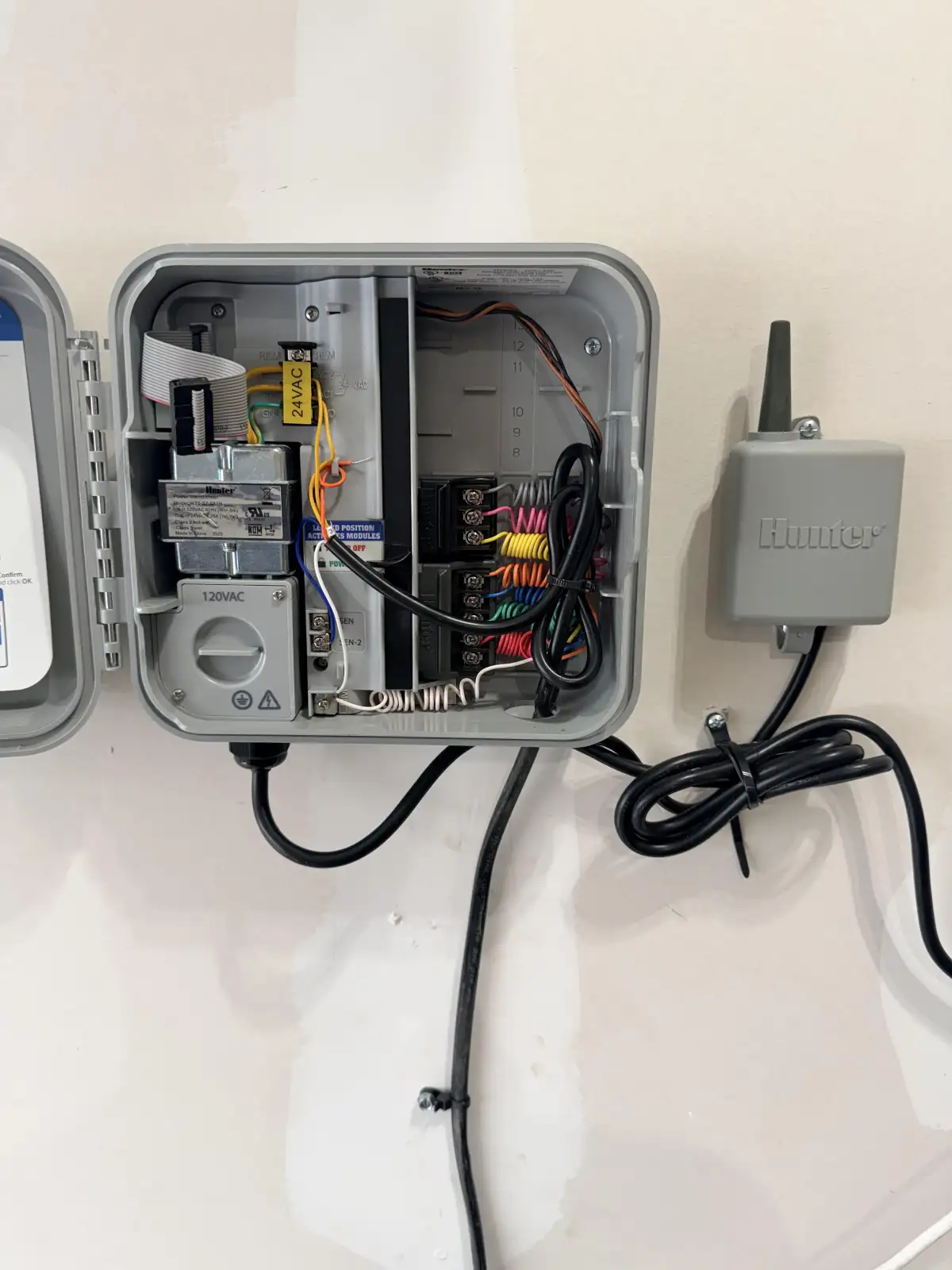
Smart Irrigation System Upgrades in South Jersey
WiFi controller upgrades, sensor integration, schedule cleanup, and smart irrigation setup for systems that need weather-aware watering.
Smart irrigation is valuable when the controller, zones, sensors, and seasonal schedules are set up around the real landscape. Irrigation Innovations LLC installs and configures WiFi-enabled controllers and weather-aware irrigation settings for South Jersey properties that need better watering control.
Why Smart Controllers Help in South Jersey
South Jersey landscapes move quickly from damp spring conditions to hot, dry summer stretches. A smart controller can reduce waste by responding to weather, rain delays, and seasonal adjustments, but only when zones are named clearly and runtimes match the property. A poorly programmed smart controller can still overwater, skip important zones, or confuse the owner.
WiFi, Sensors, and Zone Naming
Reliable setup starts with controller placement, WiFi signal, sensor compatibility, and clean wiring. We connect the controller, verify communication, and organize zones with names that make sense in daily use. Front turf, side yard shade, rear rotors, beds, and drip zones should be easy to identify from the app.
Schedule Cleanup for Real Landscapes
Smart irrigation works best when watering is separated by plant type, sun exposure, soil behavior, and sprinkler type. We review current schedules, remove confusing legacy programs, and set practical runtimes for spring conditions with room to adjust as heat increases.
- Replace or configure WiFi irrigation controllers.
- Confirm app access, zone labels, and basic owner operation.
- Set rain, freeze, seasonal, or weather-based adjustments where appropriate.
- Separate turf, bed, shrub, and drip watering needs.
- Identify repairs that may prevent smart scheduling from working correctly.
Setup Support After Installation
Customers should know how to pause watering, review a schedule, and request service when a zone does not behave as expected. We explain the everyday controls and document larger issues separately so app setup does not hide mechanical problems in the field.
What Makes Smart Watering Reliable
Smart irrigation is only as good as the field conditions behind the app. If a valve is weak, a head is blocked, a zone mixes spray and rotor coverage, or a drip area is grouped with turf, automation cannot correct the problem by itself. We review those basics before treating a controller upgrade as the full solution.
We also help owners understand which settings deserve regular attention. Rain delays, seasonal adjustment, manual runs, and temporary pauses are useful only when the user can find them quickly and trusts the zone names on the screen.
Helpful Connected Services
Smart controllers often go hand in hand with maintenance, sprinkler repair, and full system service when older zones need adjustment before automation can save water.
Good Candidates for Smart Irrigation
A smart irrigation upgrade is a strong fit for properties where the system is mechanically sound but the schedule is hard to manage. Homeowners who travel, manage multiple zones, have changing shade, or want easier seasonal adjustments can benefit from app-based control when the controller is set up correctly.
The upgrade is less effective when the field system has unresolved issues. A smart controller cannot fix a broken head, stuck valve, leaking pipe, or poor zone grouping. When those conditions are present, we separate the controller setup from the repair work so the owner understands what automation can and cannot solve.
For Gloucester County and South Jersey properties, smart watering can be especially helpful during fast weather swings. Rain delays, seasonal adjustment, and clear zone labels make it easier to protect the landscape without running the system longer than needed.
Owners should also consider who will manage the app day to day. A smart controller should be set up with practical access, clear notifications, and zone names that a homeowner, property manager, or service technician can understand months later.
When the controller replaces an older timer, we can review existing programs before removing them. That helps preserve useful schedule information while eliminating duplicate start times, hidden programs, or settings that were wasting water.
Smart irrigation is also useful after a system has been repaired or maintained because the controller can then be programmed around zones that are working correctly. Starting with a healthy system makes the app and weather features more dependable.
Smart Controller Questions Before an Upgrade
Does a smart controller save water automatically? It can help, but only after the zones are set up correctly. Weather data, seasonal adjustment, and rain delays are useful when the controller knows which zones are turf, beds, shade, rotors, sprays, or dripline. Poor labels and old runtimes limit the value of the upgrade.
What if the WiFi signal is weak near the controller? Connectivity should be reviewed before installation. Some garages, basements, and exterior walls need a stronger network signal or a different controller location so app access and weather features stay reliable.
Can multiple people manage the controller? Yes, but permissions and notifications should be set up thoughtfully. Homeowners, property managers, and service technicians should know who receives alerts, who can change schedules, and how to pause watering during rain, repairs, or outdoor events.
When Automation Should Wait
Sometimes the better first step is repair or maintenance. A controller upgrade should wait if the system has active leaks, stuck valves, broken heads, unreliable wiring, or zones that combine plantings with very different watering needs. Fixing those issues first gives smart scheduling a much better chance to work.
For South Jersey properties with mature shade, new sod, sandy areas, drip beds, and full-sun turf near pavement, the best smart irrigation result comes from pairing controller setup with a real zone review. That gives the app meaningful information instead of turning an old program into a wireless version of the same problem.
Owner Training and Service Access
A smart controller should make the system easier to own after the installer leaves. We show customers how to run a single zone, pause watering, review upcoming schedules, and understand basic alerts. Those everyday tasks matter more than advanced features if the owner only needs quick control during rain, repairs, or outdoor events.
Service access matters too. Zone names, controller notes, sensor settings, and app permissions should make sense to the homeowner and to a future technician. Clear setup helps with spring startup, maintenance, repair, and winterization because the system can be tested without guessing which station controls each area.
When smart irrigation is set up this way, weather-aware control becomes part of a manageable system instead of another confusing screen on the wall.