
Drip Irrigation for South Jersey Beds and Gardens
Slow root-zone watering for vegetable beds, annual color, mixed plantings, perimeter shrubs, and narrow spaces where spray heads waste water.
Drip Irrigation Designed Around Plant Roots
Irrigation Innovations LLC designs and services drip irrigation for South Jersey vegetable gardens, raised beds, perimeter plantings, annual beds, privacy screens, and mixed shrub borders. Precision watering works well in planted areas where individual beds, roots, and soil behavior matter more than broad turf coverage.
Drip irrigation is different from a standard sprinkler zone because the water moves slowly and has to be matched to plant spacing, mulch depth, soil texture, and the way each bed drains. A vegetable row in full sun, a shaded perimeter bed, and a new privacy planting do not need the same emitter layout or runtime. We plan those zones so the water reaches roots instead of spraying leaves, siding, mulch, sidewalks, or bare soil.
South Jersey properties can change quickly through the season. Spring beds may hold moisture for days, while July heat can dry raised beds and sandy soil much faster. A useful drip irrigation system gives the customer enough control to water deeply without turning the bed into a wet, hard-to-maintain area.
Where Drip Irrigation Helps Most
Vegetable and Herb Beds
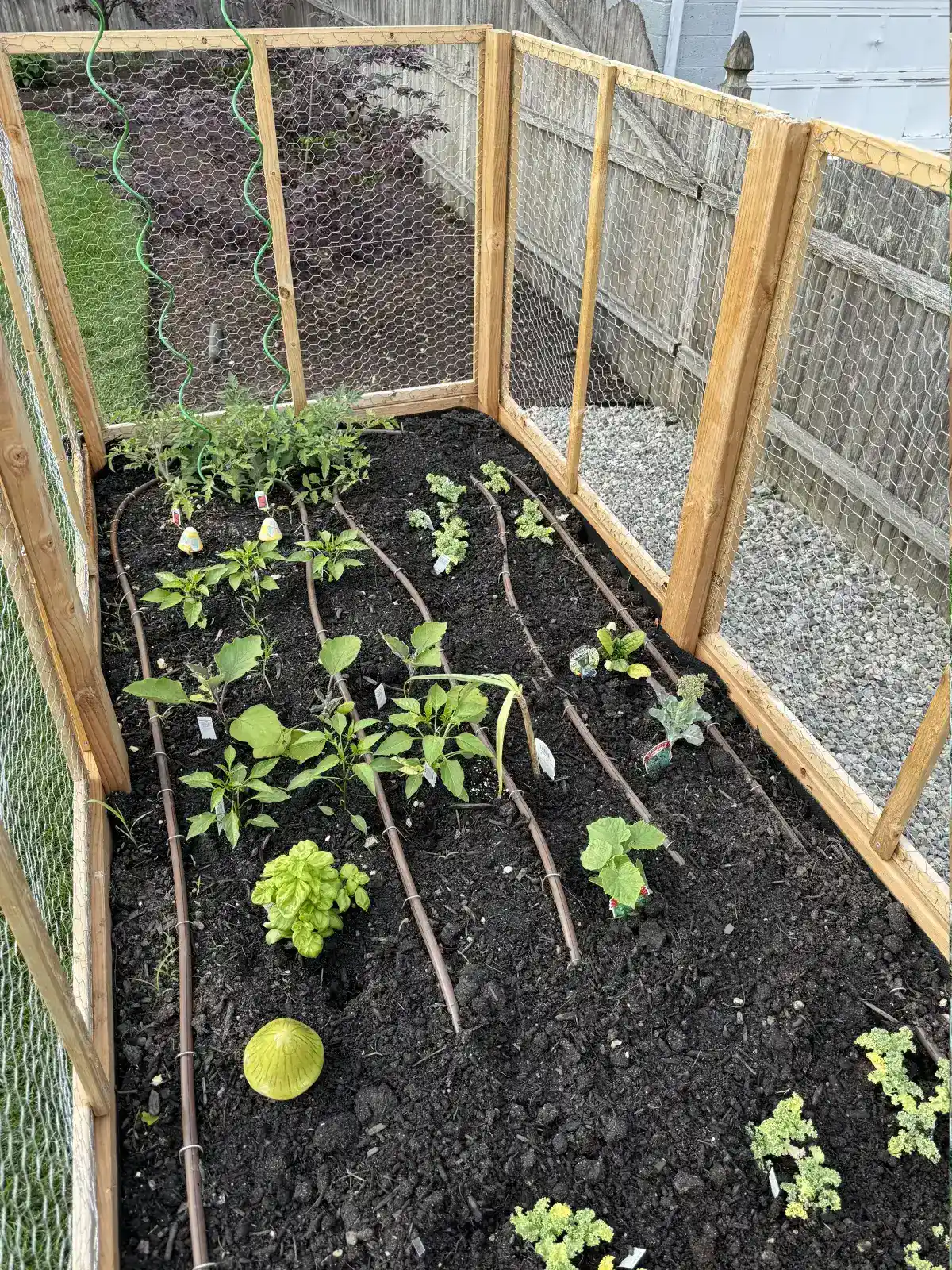
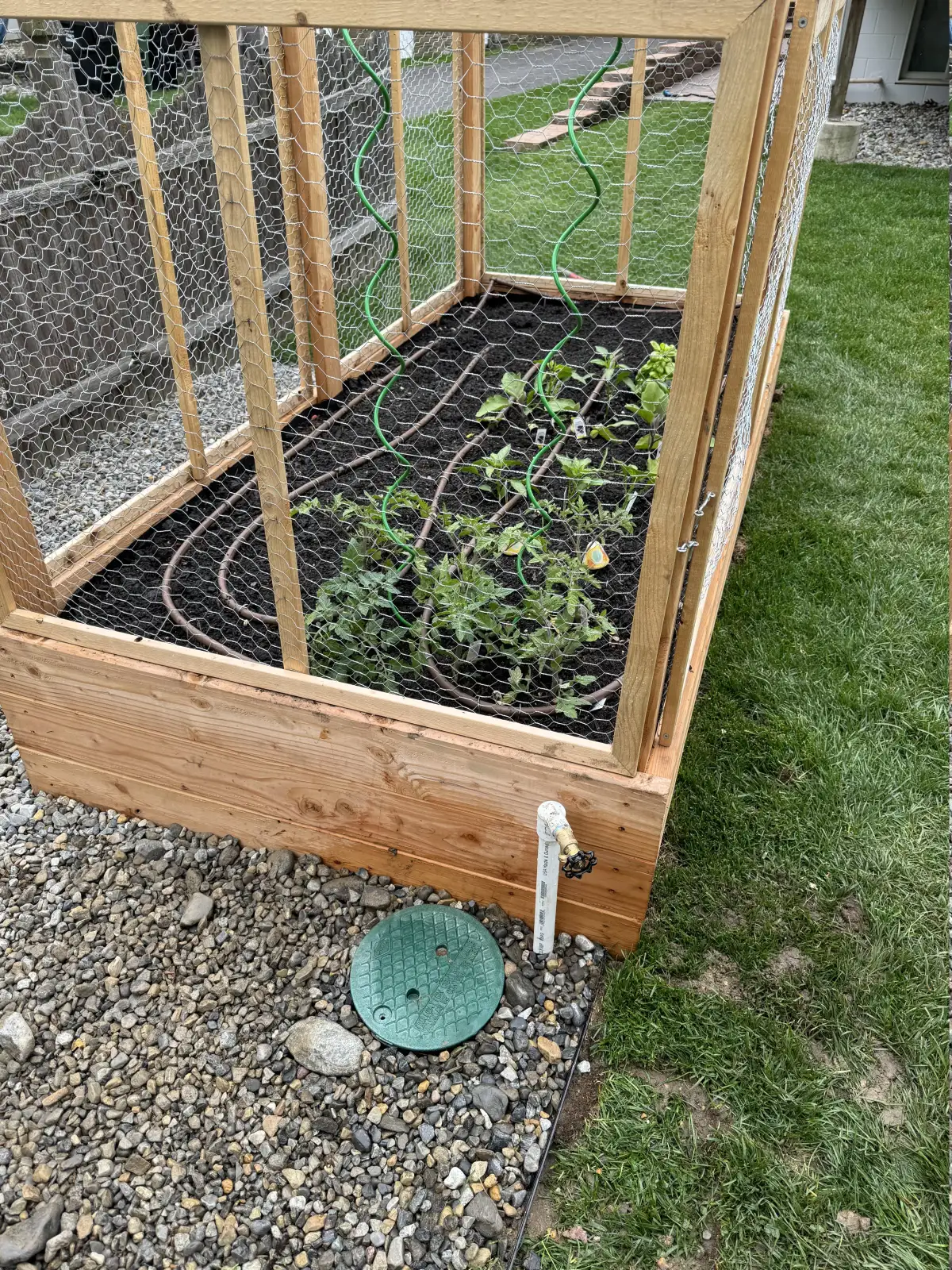
Raised beds, tomato rows, herbs, and seasonal vegetables need steady soil moisture without wet foliage. Drip irrigation can be arranged by row, plant group, or bed section so gardeners are not guessing with a hose during heat waves.
Plantings Near the House
Slow watering protects shrubs and perennials near the house while reducing splashback on siding, windows, and mulch. We route tubing with future pruning, mulch refreshes, and service access in mind.
Mixed Landscape Beds
Annual color, perennial pockets, shrubs, and ornamental grasses often dry at different speeds. Drip zones can separate high-demand plantings from tougher material instead of treating the whole bed as one target.
These applications are common across Gloucester, Camden, Burlington, Atlantic, Salem, Cumberland, and Cape May counties because many properties combine turf irrigation with detailed planting beds. Sprinklers may still be right for lawn areas, but drip irrigation is often the better tool for beds that are narrow, mulched, sloped, newly planted, or close to pavement.
How We Plan a Drip Irrigation Zone
We start by walking the planting area and identifying what the bed is supposed to support. A vegetable garden may need seasonal access, temporary row changes, and clear flush points. A perimeter bed may need tubing hidden below mulch but not buried so deep that it cannot be inspected. A privacy screen may need wider spacing at first and more even coverage as the plants mature.
Pressure and filtration are checked before the tubing layout is finalized. Drip irrigation does not perform well when a zone runs at sprinkler pressure, when sediment reaches small emitters, or when a controller schedule is copied from a turf zone. We look for the right connection point, pressure regulation, filter service access, and controller programming before recommending a repair or installation path.
For existing systems, the visit may involve converting part of an older spray zone, replacing damaged tubing, adding a filter, flushing a clogged line, or separating a bed that should no longer run with the lawn. For new work, the plan includes tubing path, emitter spacing, shutoff locations, winterization access, and a schedule that can be explained clearly to the property owner.
South Jersey Conditions We Account For
- Sandy or compacted soil: Water can either disappear quickly or sit on the surface depending on how the bed was built. Run time and emitter spacing need to match the actual soil, not a default chart.
- Mulch and edging changes: Drip tubing should stay protected but reachable. We avoid layouts that disappear under edging stones, thick mulch, or roots where routine service becomes difficult.
- Well water and sediment: Filters matter when fine particles can clog emitters. A cleanable filter is easier to maintain than chasing dry spots later in the season.
- Winter freeze risk: Drip zones still need seasonal shutdown planning. Low points, fittings, regulators, and filters should be considered before temperatures drop.
- Changing plant material: Annuals, vegetables, shrubs, and perennials are moved more often than turf. The system should allow reasonable adjustments without rebuilding the entire zone.
What Customers Can Expect
A typical drip irrigation service starts with a review of the controller, water source, valve area, and the bed itself. We test the zone long enough to see whether emitters flow evenly, whether any sections are clogged or damaged, and whether water is landing where the plant roots can use it. If the issue is seasonal programming, we make that clear. If parts are missing or worn, we explain the practical repair before replacing components.
Customers should expect plain recommendations: which beds are good candidates for drip, which areas should stay on sprinklers, and which changes can wait. We also explain what to watch for after the visit, including dry corners, excessive mulch movement, plant stress, or a line cut during gardening.
Related Irrigation Services
Larger bed tubing layouts may need dripline installation and service. When planted areas are part of a larger system, irrigation maintenance can address seasonal performance while smart irrigation can simplify controller scheduling.
Request Drip Irrigation Service
Irrigation Innovations LLC is based in Pitman and serves seven South Jersey counties. To schedule drip irrigation service, use the contact form and include the property address, the planted areas involved, whether the system already has drip zones, and any symptoms you have noticed. Photos of the controller, filter, valve box, tubing, or dry plants can help the first conversation move faster.