Winterization service by Irrigation Innovations LLC in South Jersey

Sprinkler Winterization in South Jersey, NJ

sprinkler winterization service that clears turf zones, drip zones, valves, and exposed components before New Jersey freeze conditions arrive.

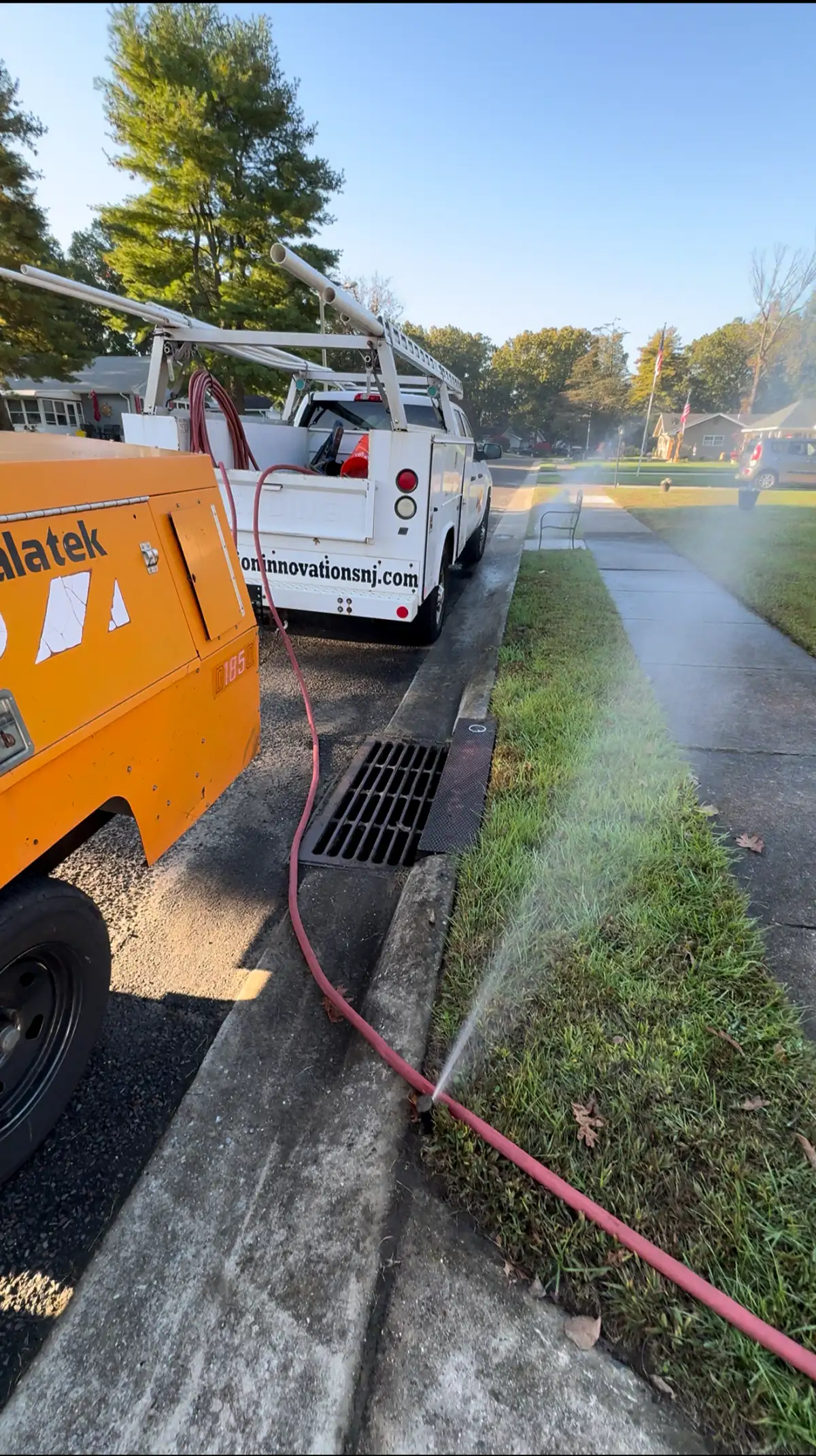
Sprinkler winterization protects irrigation piping, valves, heads, drip zones, and exposed components before freezing weather reaches South Jersey. Irrigation Innovations LLC performs fall blowout service for homeowners, businesses, and larger properties that need the system cleared correctly before winter.

Fall Protection Before Freeze Damage

Water left in an irrigation system can expand during freezing conditions and damage pipes, fittings, valves, backflow assemblies, and sprinkler heads. The right winterization appointment clears the system after final watering but before repeated hard freezes become likely.

Blowout Sequence and Component Care

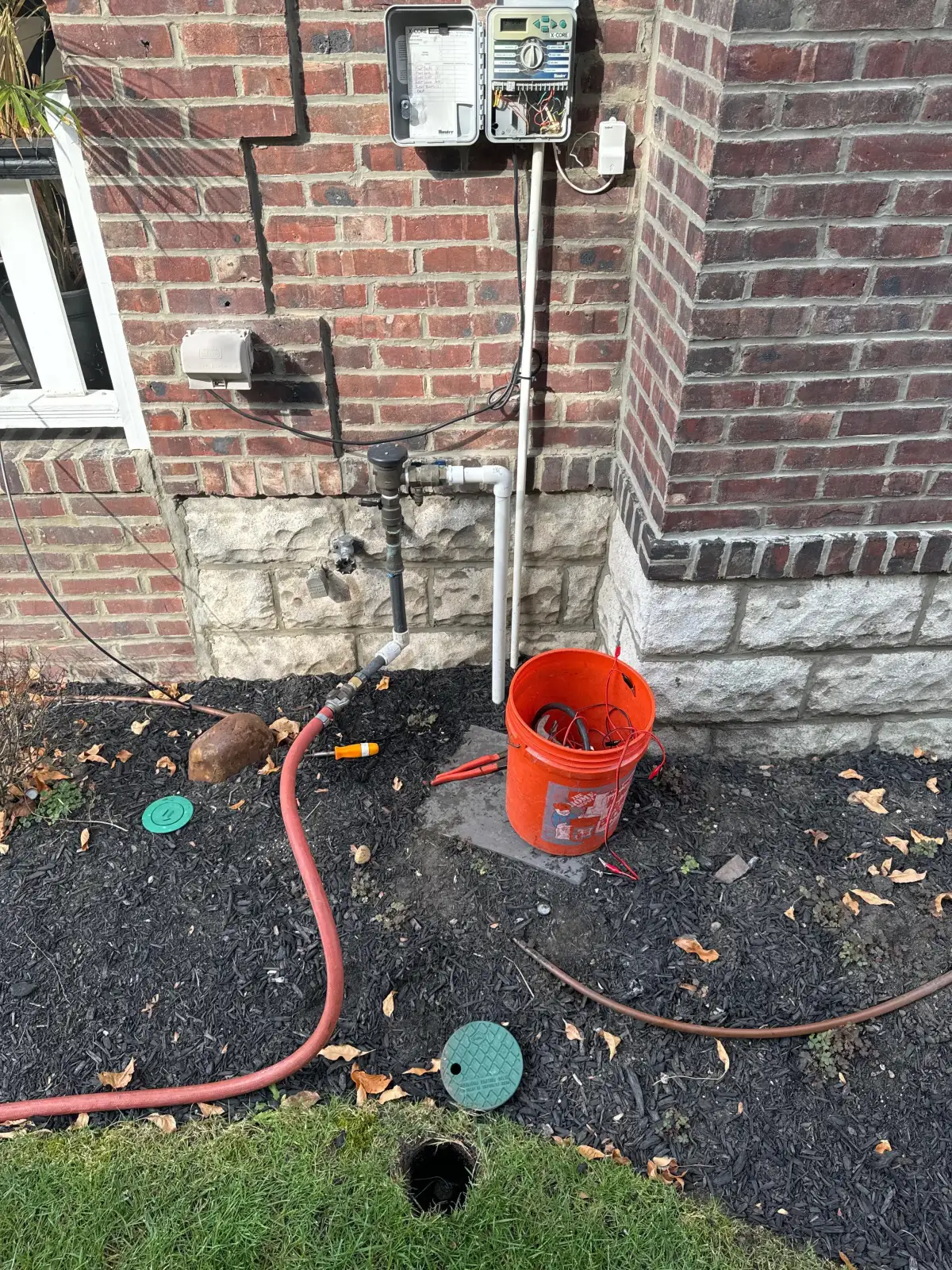
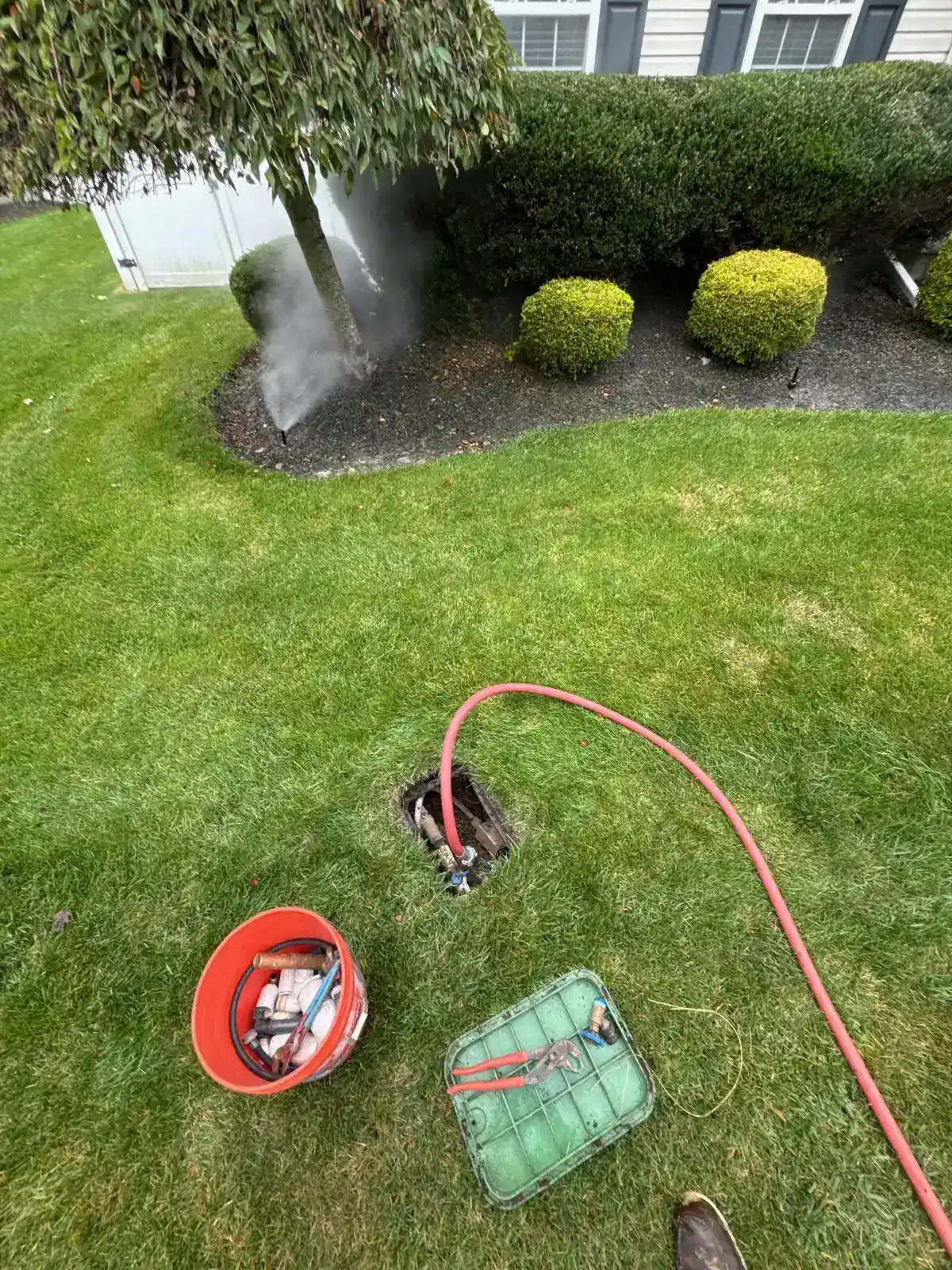
Winterization depends on safe pressure, zone order, and attention to exposed components. Mixed systems with spray zones, rotors, dripline, long runs, or backflow devices need careful handling so water is removed without over-pressurizing the system.

  • Confirm water shutoff and controller condition before blowout begins.
  • Connect equipment safely and regulate pressure for the system type.
  • Clear each zone until discharge stops.
  • Protect exposed assemblies and note visible concerns for spring.
  • Set expectations for startup, repairs, or maintenance after winter.

Properties That Need Extra Attention

Larger landscapes, athletic fields, commercial frontage, and properties with drip zones or prior repairs can require more careful sequencing. We pay attention to access, valve locations, and components that may be vulnerable during cold weather.

What to Expect in Spring

Winterization reduces freeze risk, but it does not replace a spring inspection. Heads can still shift, nozzles can clog, and schedules usually need to be reset once watering begins again. Notes from the fall visit help make spring startup more efficient.

Timing Matters for New Jersey Winters

The best winterization window is after the property is finished watering for the season but before repeated freezing nights arrive. Waiting too long can expose backflow assemblies, valves, and shallow piping to avoidable damage. Scheduling too early can leave landscapes dry during a warm fall stretch.

We help customers choose a practical timing window based on property use, zone count, access, and prior repair history. Larger systems, drip zones, and commercial sites often benefit from earlier planning because the blowout sequence can take longer and may require more coordination.

Plan for Both Sides of the Season

Customers often schedule winterization with irrigation winterization, spring start-up, or our guide on when to winterize a sprinkler system in New Jersey.

What Makes a Blowout Visit Thorough

A thorough blowout is based on the actual system, not a quick blast of air through one connection. Zone count, pipe length, head type, dripline, backflow location, slope, and valve access all affect the sequence. The technician should move through the system carefully enough to clear water while avoiding pressure that can damage components.

The visit is also a good time to note problems that should be addressed in spring. A broken head, weak valve, buried box, or controller issue may not need to be repaired during winterization, but documenting it helps the next startup visit move faster. That is especially useful for larger Gloucester County and South Jersey properties where one hidden issue can affect several zones.

Customers should leave the appointment knowing the system was shut down, which areas were cleared, and whether anything should be watched when the water is restored. Winterization is seasonal protection, but it also supports better maintenance for the next growing season.

Before the appointment, clear access to the controller, shutoff, backflow assembly, and any known valve boxes when possible. Easy access helps the crew move through the blowout sequence efficiently and reduces the chance that a buried or blocked component is missed during fall service.

If the system had weak pressure, a stuck zone, or a broken head during the season, mention it before winterization begins. Those notes help identify whether the issue should be recorded for spring startup or repaired before shutdown.

For properties with dripline, multiple controllers, or large open turf zones, provide any known zone notes when scheduling. That context helps the blowout visit account for the full system instead of only the most visible turf areas.

Questions Customers Ask About Sprinkler Winterization

When should sprinkler winterization be scheduled? The best timing is after final watering needs have slowed but before repeated freezing nights arrive. South Jersey weather can stay mild into fall, so customers with large systems, backflow assemblies, or dripline should plan early enough to avoid the last-minute freeze rush.

Can every system be blown out the same way? No. Zone count, pipe length, head type, dripline, backflow location, water source, and slope all affect the sequence and pressure used. A thorough blowout is controlled and methodical, not one high-pressure blast through the system.
Does winterization fix existing sprinkler problems? Winterization protects the system from freeze damage, but it is not a substitute for repair. Broken heads, weak valves, controller issues, and buried boxes should be noted so they can be handled before or during spring startup.

Preparing for the Appointment

Customers can help the visit run smoothly by clearing access to the controller, water shutoff, backflow assembly, and known valve boxes. If gates are locked, pets are outside, or the system has more than one controller, those details should be shared when scheduling.

After the blowout, the controller should stay off unless the technician gives different instructions. If landscaping, construction, or a water-source change happens over winter, mention it before spring startup so the system can be checked with those changes in mind.

Winterization for Different System Types

Small residential systems, large lawn zones, dripline, well-fed irrigation, and commercial properties all need the same goal but not the same sequence. A property with long rotor zones may take more time to clear than a compact spray system, and dripline should be handled with care so the tubing and emitters are not stressed unnecessarily.

Backflow assemblies, vacuum breakers, exposed piping, and low points deserve special attention because they are more vulnerable when cold weather arrives. We also note visible issues that should be reviewed during spring startup, such as damaged heads, weak valves, or controller concerns.

The result should be a system that is shut down for winter with clear expectations for the next season. That combination of protection and documentation helps reduce avoidable freeze damage and makes spring activation more efficient.

For customers who have recently added landscaping, hardscape, fencing, or a well conversion, winterization is also a good time to make sure the blowout reaches the full system. Newer zones, drip beds, and relocated heads should be mentioned during scheduling so no part of the irrigation layout is overlooked before freezing weather arrives.

Reserve Fall Sprinkler Winterization

Schedule blowout service before repeated freezing nights put the system at risk.