
Dripline Installation and Service in South Jersey, NJ
Inline drip tubing, zone conversions, filters, regulators, and controller setup for long planting beds, shrub rows, evergreen screens, and commercial landscapes.
Dripline Built for Long Beds and Shrub Rows
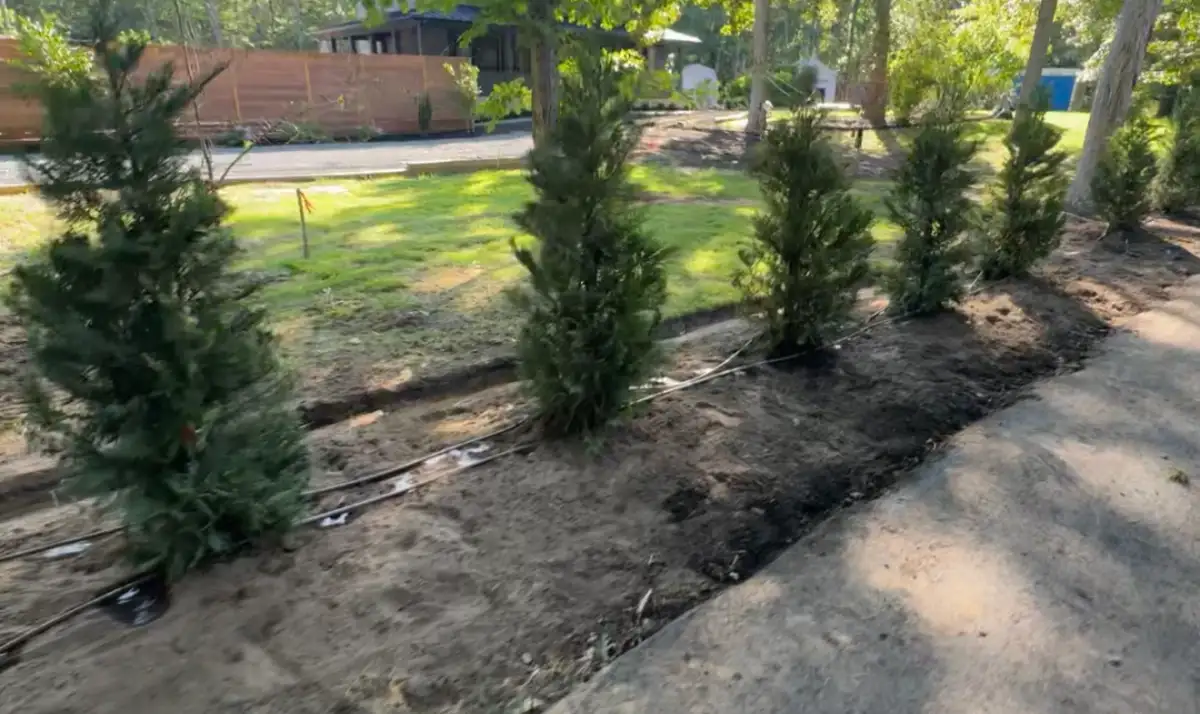
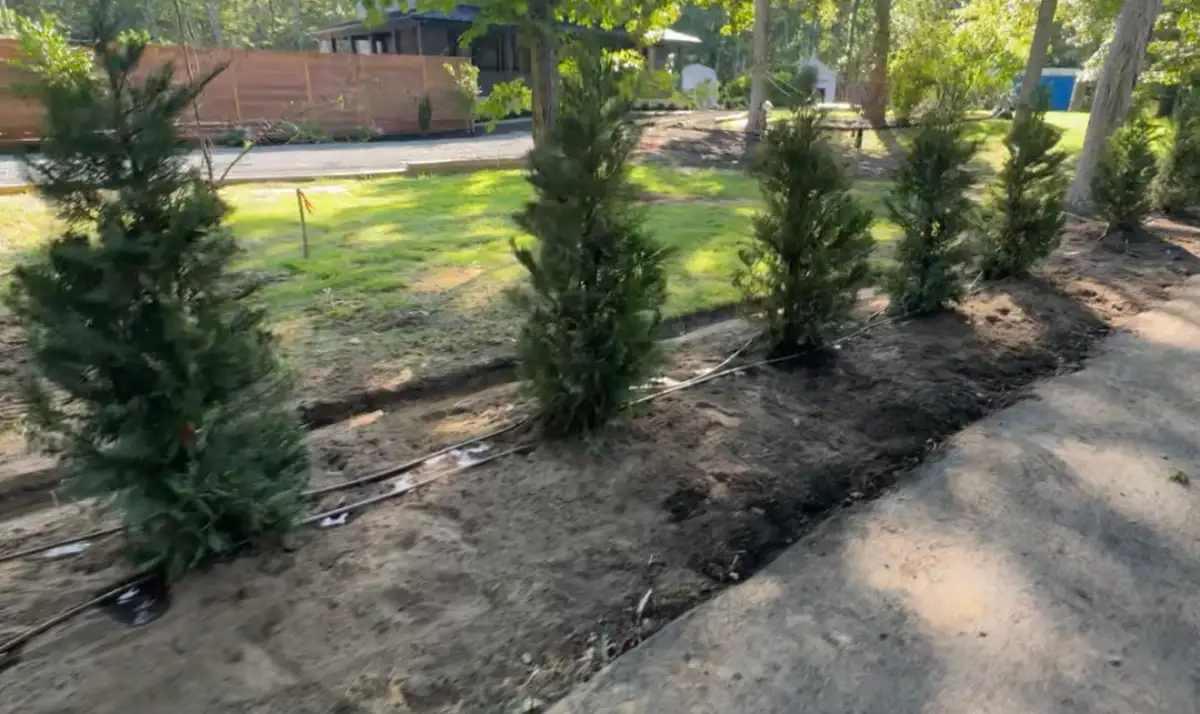
Irrigation Innovations LLC installs and services dripline systems for South Jersey landscapes where inline emitter tubing is the right tool: evergreen screens, perimeter rows, commercial planting beds, long borders, medians, and renovated beds that need even low-flow coverage across a defined run.
Dripline is not just a different name for garden drip irrigation. It usually uses tubing with emitters built into the line at regular spacing, so the design question becomes how to route each run, how far apart the lines should be, where the zone connects, and how to keep pressure consistent from the first emitter to the last. That matters on long shrub rows, curved beds, and commercial frontages where a small pressure mistake can leave one end wet and the other end dry.
We plan dripline work around the valve assembly, filter, pressure regulator, tubing layout, bed edge, mulch cover, controller schedule, and winterization path. Those pieces have to work together for the zone to stay dependable after the first season.
How a Dripline Zone Comes Together
Zone Review
We confirm the water source, valve location, controller capacity, bed length, soil condition, and whether the area should be a separate zone.
Run Layout
Tubing is planned by bed width, plant spacing, root depth, slope, and edge conditions so emitter spacing supports the full planting area.
Protection
Filters, pressure regulation, flush points, fittings, and mulch placement are handled so the dripline is clean, serviceable, and protected.
Programming
The controller is set for low-flow watering, then adjusted for sun exposure, soil response, plant type, and seasonal change.
When Dripline Is the Better Choice
Dripline is usually the better choice when a planting bed needs even coverage across a long or continuous area. A row of arborvitae, a perimeter bed that wraps a house, a retail frontage, a townhome entrance, or a commercial island can be hard to water cleanly with spray heads. Inline tubing lets the zone follow the planting instead of throwing water over the planting.
It is also useful when overspray has become a maintenance problem. Water on sidewalks, glass, walls, signs, mulch, or parking areas can create staining, runoff, ice concerns in shoulder seasons, and wasted water. A properly regulated dripline zone keeps most of the water under mulch and close to the roots.
For existing irrigation systems, we often evaluate whether a spray zone should be converted to dripline or whether a new dedicated dripline zone makes more sense. That decision depends on available pressure, valve access, controller wiring, bed size, and whether the existing heads also serve turf that still needs spray coverage.
Common Dripline Service Issues
- Uneven flow: Long runs can underperform when pressure regulation, tubing length, or elevation change is ignored.
- Emitter clogging: Sediment, well water particles, and unflushed lines can create dry sections that are not obvious until plants show stress.
- Cut tubing: Edging, planting, mulching, and landscape renovations can nick dripline if the route is not documented or easy to inspect.
- Mixed zones: A dripline bed should not always share timing with lawn heads. The controller schedule often needs a separate program.
- Poor winter access: Filters, regulators, fittings, and low points need to be reachable for seasonal shutdown and spring startup.
Residential and Commercial Applications
Residential dripline work often includes perimeter plantings, backyard privacy screens, pool-area beds, slopes, and upgraded landscape borders. The goal is usually clean watering with less hand-watering and less overspray on hardscape. We pay attention to mulch depth, future planting changes, and whether the homeowner wants the tubing hidden but still serviceable.
Commercial dripline work has a different priority. Apartment entrances, office parks, retail pads, municipal plantings, and community spaces need consistent watering without wet sidewalks, doors, signs, or parking stalls. Dripline can reduce visible overspray while keeping plant material alive through hot South Jersey weeks, but the installation has to allow maintenance crews to find filters, flush lines, and damaged tubing quickly.
Pre-Service Checks for Dripline Work
A dripline estimate should be specific about more than the length of tubing. We check where the water can be taken from, whether the current valve has enough capacity, how the bed will be mulched after installation, and whether the controller can run the zone independently from lawn irrigation. Those details affect both the upfront scope and the long-term reliability of the system.
We also look at how people and equipment move around the bed. A dripline run near a driveway edge, service walkway, patio, playground, or commercial entrance needs different protection than a quiet backyard shrub row. If mowing, edging, snow removal, or mulch crews will work near the line, we plan the route and access points so future maintenance does not damage the tubing or hide the filter.
On larger properties, we may recommend phasing the work by bed or frontage instead of converting every planted area at once. That lets the owner solve the highest-waste or highest-visibility areas first, then expand the same design logic to other beds after the first zone has been observed through a full hot-weather cycle.
Services That Support Dripline Zones
Vegetables, annual beds, and individual plant groups may be a good fit for drip irrigation service. When dripline is part of a larger property upgrade, sprinkler system service and irrigation maintenance can address the surrounding zones and seasonal needs.
Request Dripline Service
Irrigation Innovations LLC is based in Pitman and serves Gloucester, Camden, Burlington, Atlantic, Salem, Cumberland, and Cape May counties. To schedule dripline installation or service, send the property address, a description of the planting bed or shrub row, whether an irrigation controller is already present, and any dry spots, wet pavement, or damaged tubing you have noticed.