
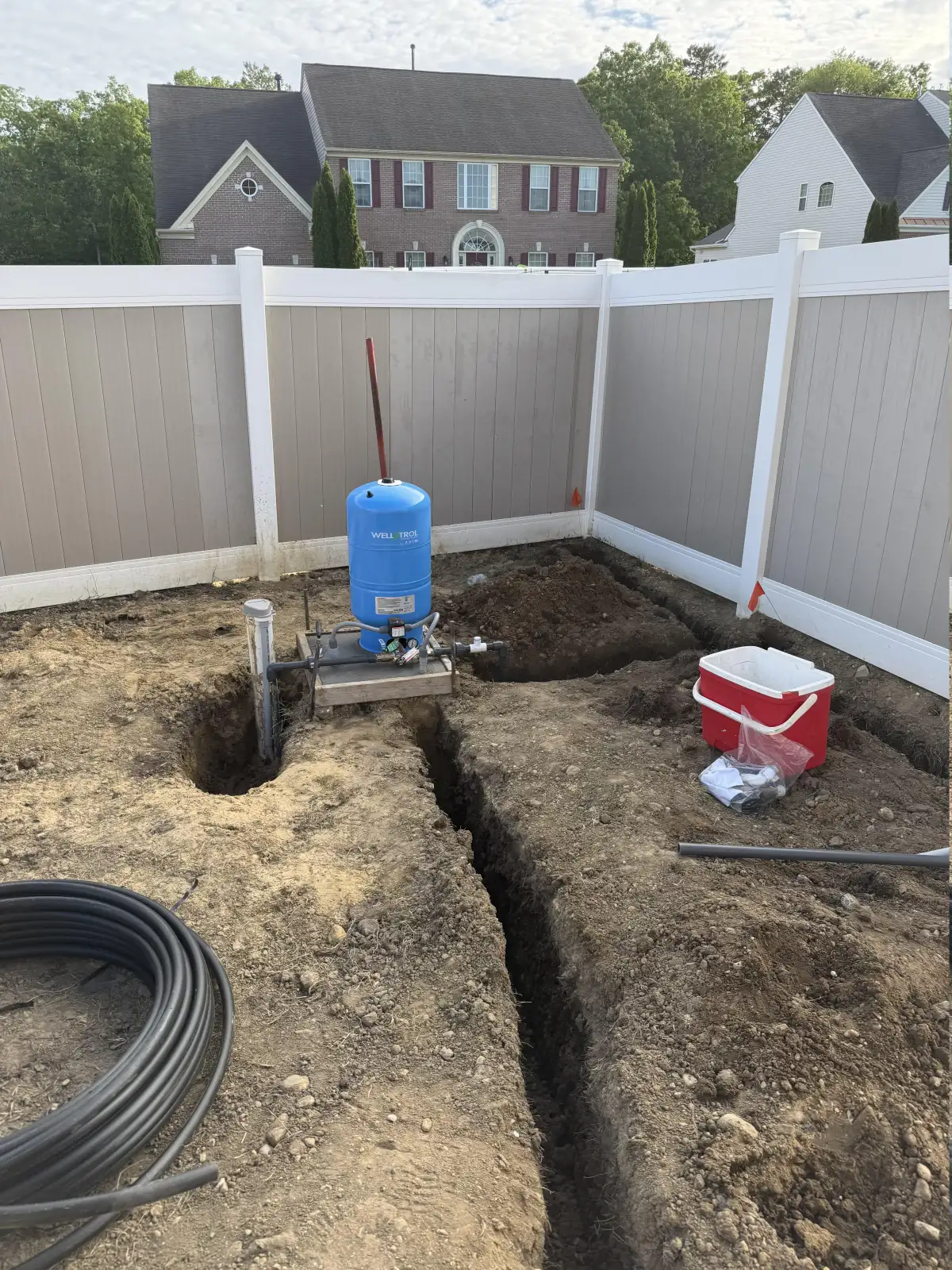
Irrigation Well Conversion for South Jersey Properties
irrigation well conversion and pump coordination for properties that want to reduce municipal water use while keeping sprinkler coverage dependable.
An irrigation well conversion can reduce reliance on municipal water while keeping an existing sprinkler system productive. Irrigation Innovations LLC evaluates the water source, pump requirements, controller setup, and zone demand before recommending a conversion path for South Jersey homes and larger landscapes.
Irrigation Well Installation
If your property needs a new irrigation well, start by discussing the lawn and planting areas you want to water and how the well will supply your sprinkler system. Irrigation Innovations offers irrigation well installation in South Jersey.
A well installation creates a new water source. A well conversion connects an irrigation system to well water. Let us know which you need so we can discuss the right next step for your property.
Request a Well Installation EstimateIs a Dedicated Irrigation Well a Fit?
A well conversion is most useful when a property has enough landscape demand to justify a separate irrigation water source. Larger lawns, long frontage, gardens, and commercial plantings may benefit from the change, but the conversion has to support the system that is already in the ground. Pump output, pressure, sediment, and water quality all matter.
We review the existing sprinkler layout first. A conversion should not create weak zones, short cycling, staining concerns, or controller problems that make the system harder to own.
Pump Capacity and Zone Demand
The pump has to match the zones it will serve. Rotor zones, spray zones, drip zones, and long pipe runs can place different demands on flow and pressure. We compare the current zone behavior with the proposed water source so the converted system can water evenly after the change.
When a pump-start relay, pressure tank, controller wiring, or service access needs attention, we address those details as part of the plan. That coordination is what keeps a well-fed irrigation system from feeling improvised.
Conversion Work That Protects Coverage
- Review existing irrigation demand before pump or relay recommendations are made.
- Coordinate well, pump, controller, and pressure requirements as one system.
- Test zones under the new source and adjust nozzles or runtimes as needed.
- Look for sediment, staining, or filtration concerns that could affect fixtures and hardscape.
- Explain maintenance expectations for pump-fed irrigation.
After the Water Source Changes
Converted systems often need schedule cleanup because municipal pressure and pump-fed pressure do not always behave the same way. We help property owners understand what changed, how the controller should be used, and when to call for follow-up service if drought, new planting, or well output changes affect performance.
Local Water and Maintenance Considerations
Dedicated irrigation wells can be a strong fit for larger South Jersey landscapes, but the water source has to be understood before the system is relied on through summer. Sediment, iron staining, fluctuating output, pump cycling, and filtration needs can affect heads, valves, hardscape, and plant material.
Our recommendations account for the current sprinkler design and the owner’s long-term maintenance expectations. If the property needs smart control, zone changes, or a repair before conversion, we identify that work early so the new source supports the landscape instead of exposing old system weaknesses.
Coordinate the Next Step
Well conversions often connect with full irrigation system service, smart irrigation controls, and seasonal maintenance. Irrigation Innovations serves seven South Jersey counties from our Pitman base.
Questions to Resolve Before Conversion
Before converting an irrigation system to well water, the property owner should understand how many zones the system has, which zones place the highest demand on flow, and whether the current layout already has weak coverage. A new water source should support the system, not hide existing design problems until the first hot stretch of summer.
We also discuss access and service expectations. Pumps, relays, pressure tanks, filters, controllers, and valve boxes need to remain reachable. If sediment or staining is a concern, filtration or service planning may need to be part of the conversation before the system is relied on for regular watering.
After conversion, the sprinkler schedule may need to change because pump-fed systems do not always behave like municipal water. Testing each zone under the new source helps the owner understand what changed and whether nozzle, runtime, or controller adjustments are needed.
A good conversion plan should also explain routine ownership. Pump-fed irrigation may need attention to filters, pressure behavior, and seasonal shutdown steps, especially when the system serves large turf areas or planting beds that rely on consistent summer watering.
Water Source Questions to Resolve Before Converting
Will a well conversion improve every sprinkler system? Not automatically. The water source has to support the zone demand, and the existing system still needs sound valves, heads, nozzles, wiring, and controller programming. If a zone already has poor spacing or an old leak, a new source will not solve that by itself.
What should be checked before connecting irrigation to a well? Pump output, pressure behavior, sediment, filtration, controller wiring, relay setup, and zone flow demand should all be reviewed. The goal is to avoid short cycling, weak coverage, staining, or a system that becomes difficult to service after the conversion.
Can smart controls work with a well-fed system? Yes, but setup matters. A smart controller must be coordinated with pump-start wiring, station timing, and the way the well recovers between zones. Weather-aware scheduling is most reliable when the pump and irrigation zones are already operating consistently.
How We Keep the Conversion Practical
We approach well conversions as a system planning decision, not just a water-source change. The existing sprinkler layout, water pressure, pump equipment, controller location, and future maintenance access all have to work together. That is especially important on larger South Jersey properties where long pipe runs, broad turf zones, and planting beds place different demands on the source.
Customers should expect clear discussion of what can be reused, what needs to be adjusted, and what ownership will look like after the conversion. If filtration, a pressure tank, controller cleanup, or seasonal maintenance should be part of the plan, we identify those needs before the system is relied on through summer.
Water Demand and Equipment Access
The best conversion plan starts with the way the property actually uses water. Large open turf, narrow side yards, garden beds, new sod, athletic areas, and commercial frontage can all place different flow demands on the pump. A conversion that supports one zone beautifully may still struggle if another zone needs more gallons per minute than the source can provide.
We also consider where equipment will be serviced later. Pump controls, relay wiring, pressure tanks, filters, shutoffs, and controller access should not be buried behind plantings or placed where future maintenance becomes difficult. A well conversion should reduce municipal-water reliance while keeping the irrigation system understandable for startup, repair, winterization, and regular seasonal checks.
For customers comparing options, a site visit can clarify whether conversion is the best investment now or whether the system should first receive repair, maintenance, zone changes, or smart controller setup.