
Sprinkler and Irrigation Maintenance in South Jersey
maintenance visits for sprinkler and irrigation systems that need seasonal adjustment, cleaning, inspection, and performance tuning.
Irrigation Innovations LLC provides maintenance visits for sprinkler and irrigation systems that need seasonal adjustment, cleaning, inspection, and performance tuning. The work is planned for customers who want their system checked before small problems turn into dry turf or water waste across Gloucester, Camden, Burlington, Atlantic, Salem, Cumberland, and Cape May counties.
Maintenance work in South Jersey has to respect sandy soils, compacted builder fill, mature shade, summer heat, and the freeze risk that arrives after the growing season. A routine sprinkler maintenance visit looks beyond a short test run because uneven pressure, poor zone grouping, and mismatched controller timing can waste water even when the system appears to operate.
Our approach starts with the practical details that determine whether the service will hold up: heads pushed down by soil, turf growth, or mower traffic, filters and nozzles affected by sand, debris, or well-water particles, and watering schedules that should change as temperatures rise or cool. Those site conditions guide the routine sprinkler maintenance recommendation before parts, programming, trenching, or follow-up work are discussed.
Where Routine Service Prevents Bigger Repairs
Routine maintenance keeps a sprinkler system from drifting out of tune as turf grows, plantings mature, heads settle, and controller schedules fall behind the weather. A South Jersey maintenance visit should look at active zones, head alignment, nozzle condition, valve response, runoff, and timer settings so small issues are corrected before they become larger repair calls.
Maturing plantings are one of the most common reasons a working system starts to perform poorly. Shrubs grow into spray paths, mulch covers low heads, and turf edges creep over nozzles, so routine service has to look at the landscape as it exists now rather than the way it looked when the system was installed.
South Jersey maintenance visits also vary by setting. A shaded Pitman yard may need shorter runtimes and head cleanup, while a larger Gloucester County property may need valve checks, pressure review, and separate priorities for turf, beds, and pedestrian areas.
How We Tune and Document the System
The first step is to run zones and watch real coverage rather than relying on stored schedules. That gives the technician a working routine sprinkler maintenance picture and avoids recommendations based only on age, guesswork, or what a previous contractor installed.
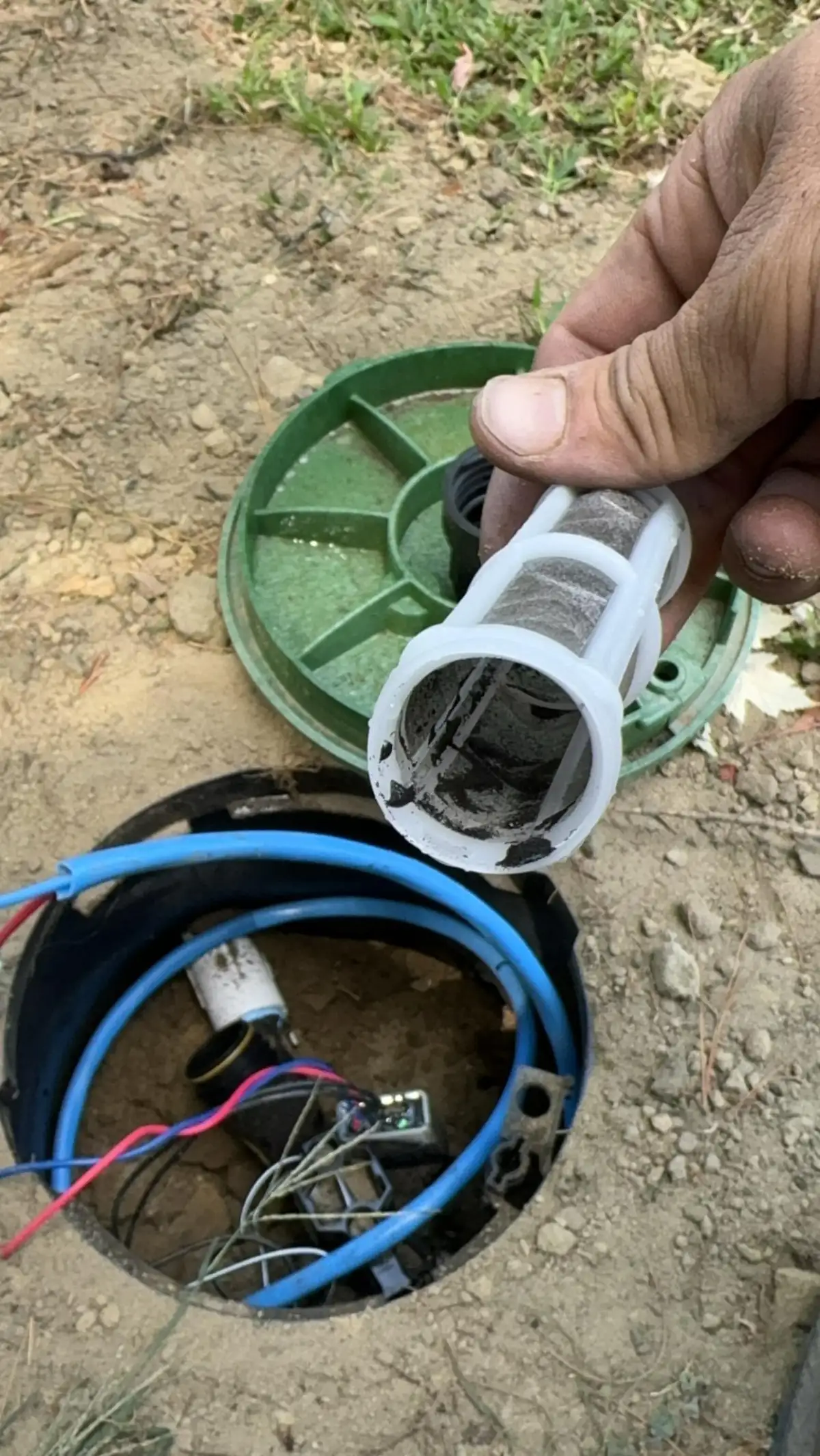
Next, we clean filters, nozzles, and heads where practical. That matters for routine sprinkler maintenance because an irrigation symptom can appear in one area while the cause sits at a valve, wire path, controller, filter, or pressure point.
When adjustments or repairs are needed, we adjust spray direction, height, and runtime based on current conditions. The routine sprinkler maintenance goal is to improve the current system without creating new service problems or replacing components that still have useful life.
Before the visit is complete, we identify repairs that need parts, digging, or follow-up scheduling. After routine sprinkler maintenance, customers should know what changed, what still deserves attention, and what can wait until the next seasonal service window.
Seasonal Conditions That Change Maintenance Needs
Regional weather affects routine sprinkler maintenance because lawns and beds can move from spring moisture to hot, dry conditions quickly. For routine sprinkler maintenance, full-sun turf near pavement, shaded grass under trees, perimeter plantings, and mulched beds all need different watering decisions.
Small leaks around risers, fittings, and valve boxes is another reason we avoid one-size-fits-all settings. A strong routine sprinkler maintenance result considers the season, the property layout, and how the owner uses the landscape.
Maintenance also includes a practical access review. Valve boxes, controllers, backflow components, wiring splices, filters, and drip connections should remain reachable so future service does not begin with avoidable digging or guesswork.
Commercial, athletic, and larger residential systems bring more zones, more wear points, and more public-facing turf. We tune those systems with attention to pavement overspray, high-traffic grass, locked access areas, and the schedule windows available for service.
What Is Included in Routine Maintenance
- run zones and watch real coverage rather than relying on stored schedules.
- clean filters, nozzles, and heads where practical.
- adjust spray direction, height, and runtime based on current conditions.
- identify repairs that need parts, digging, or follow-up scheduling.
- document settings so future service has context.
After routine sprinkler maintenance is reviewed, the next step may be simple: use the system, watch the landscape, and call if conditions change. On larger or older systems, a routine sprinkler maintenance visit may produce a short priority list so the most important items can be handled first.
A maintenance summary should make the next decision easier. The owner should know which adjustments were handled, which symptoms point to repair, and which settings may need to change when the season moves from mild spring weather into hotter summer demand.
Seasonal Care Around Routine Maintenance
Routine maintenance often connects with spring activation, targeted repair, controller updates, and fall winterization. Planning the next seasonal service early can keep small issues from becoming urgent.
Request Sprinkler Maintenance
Irrigation Innovations LLC is based in Pitman and serves seven South Jersey counties. When requesting maintenance, include the property address, the zones that look uneven, recent landscape changes, and whether the system is currently running. Photos of dry turf, overspray, controller settings, or blocked heads can help the visit begin with the right priorities.