
Irrigation Service and Repair in South Jersey, NJ
practical irrigation service for customers who need troubleshooting, repairs, adjustments, seasonal checks, and clear recommendations in one visit.
Irrigation Innovations LLC provides practical irrigation service for customers who need troubleshooting, repairs, adjustments, seasonal checks, and clear recommendations in one visit. The work is planned for property owners looking for a reliable service call rather than a narrow one-part replacement across Gloucester, Camden, Burlington, Atlantic, Salem, Cumberland, and Cape May counties.
Service and repair is the right call when the system has more than one question: a weak zone, confusing controller, possible leak, old repair, or coverage issue that does not fit neatly into one part replacement. The appointment is built to sort findings into clear repair, adjustment, and maintenance priorities.
We look at how the controller, valves, heads, drip areas, and water source behave together. That broader service view is especially useful for new homeowners, older systems, and properties where several small problems are affecting coverage at the same time.
Service Calls for Unclear Irrigation Problems
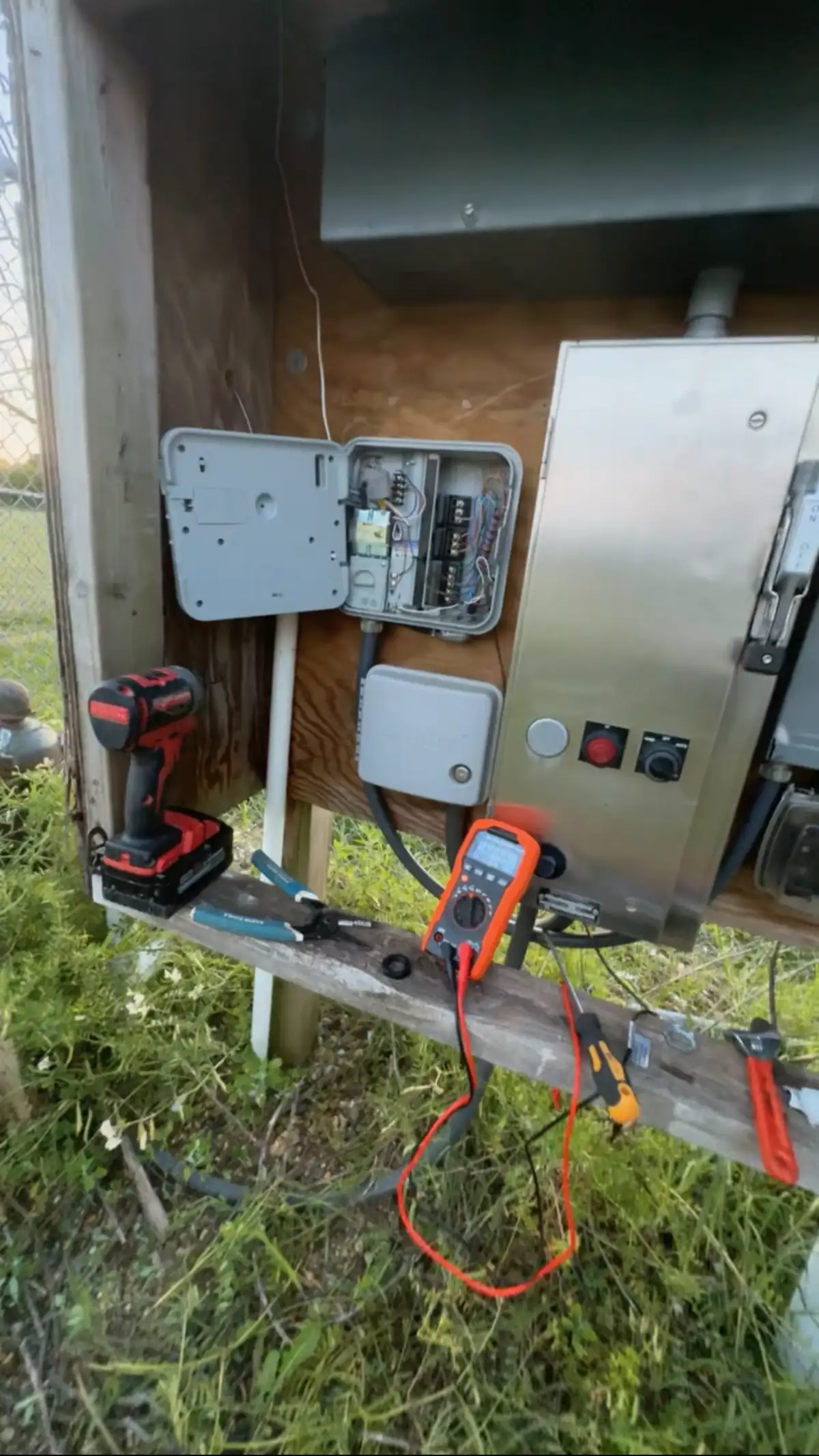
Service and repair visits are for systems that need diagnosis before a clear repair scope is chosen. One property may have a broken head and poor coverage; another may have a controller fault, valve issue, wiring problem, leak, or schedule that no longer matches the landscape. We test the system first so the recommendation fits the actual failure.
New homeowners often call because the controller labels are unclear, the valve boxes are hard to find, or the system has been patched by more than one company. We slow the visit down enough to identify how the system is organized, which zones are dependable, and which symptoms point to repair work instead of simple adjustment.
South Jersey service calls change from property to property. A shaded Pitman backyard may need controller cleanup and head adjustment, while a Gloucester County athletic area may need pressure testing, valve diagnosis, and a schedule that avoids soaking high-use turf. The visit is shaped around the system on site so the customer gets a useful path forward.
Diagnosis Before Parts or Replacement
The visit begins with a complete operating check when the cause is unclear. We run representative zones, review controller behavior, and inspect accessible components so the recommendation is based on how the system performs on site.
Findings are grouped by urgency. Active leaks, nonworking valves, and electrical faults are handled differently than lower-priority items such as old labels, minor overspray, or future nozzle improvements. This keeps the service path understandable for the property owner.
If a repair can be completed during the visit with the right parts and conditions, we handle it. Larger work is scoped separately so customers are not left with vague notes or open-ended recommendations.
Property Factors Behind Common Service Calls
Property use shapes the service plan. A residential lawn with new planting beds needs different priorities than a commercial frontage, athletic field, or large estate with multiple controllers. We account for visibility, pedestrian areas, pavement overspray, turf stress, and access before recommending next steps.
Seasonal timing changes the repair priority. Spring service may uncover leaks after pressurization, summer calls often focus on dry turf and weak pressure, and fall visits may document parts that should be handled before winterization or the next startup.
We also look for practical service access. Reachable valve boxes, controllers, backflow components, wiring splices, filters, and drip connections reduce labor on future visits and make emergency repairs less disruptive when a system fails during hot weather.
Commercial, athletic, and larger residential sites add traffic patterns, locked access points, parking areas, and high-visibility turf to the service decision. We keep those constraints in view while diagnosing the irrigation issue so the repair improves watering without creating avoidable disruption around the property.
What to Expect from Service and Repair
- start with a complete operating check when the problem is not obvious.
- group findings by urgent repair, recommended adjustment, and future improvement.
- fix accessible problems during the visit when parts and conditions allow.
- schedule larger work with clear scope instead of vague service notes.
- leave the system in the most reliable practical condition.
After the service visit, the owner should know which item caused the appointment, which smaller findings were adjusted, and which work should be scheduled separately. That distinction keeps a troubleshooting call from turning into an unclear list of unrelated recommendations.
For older systems, we may also identify patterns that deserve future planning, such as aging valves, confusing controller programs, mixed head types, or poor access to buried components. The purpose is to make the next decision easier, not to pressure the customer into replacing a system that can still be serviced intelligently.
Repair, Maintenance, and Seasonal Options
A service visit can lead to a targeted repair, routine maintenance, smart controller setup, or seasonal care. The initial diagnosis helps identify which option should come next.
Request Service and Repair
When requesting service, describe what the system is doing now, which areas are affected, and whether the problem began after landscaping, construction, controller changes, or seasonal startup. That context helps the visit start with the most useful diagnostic path.