
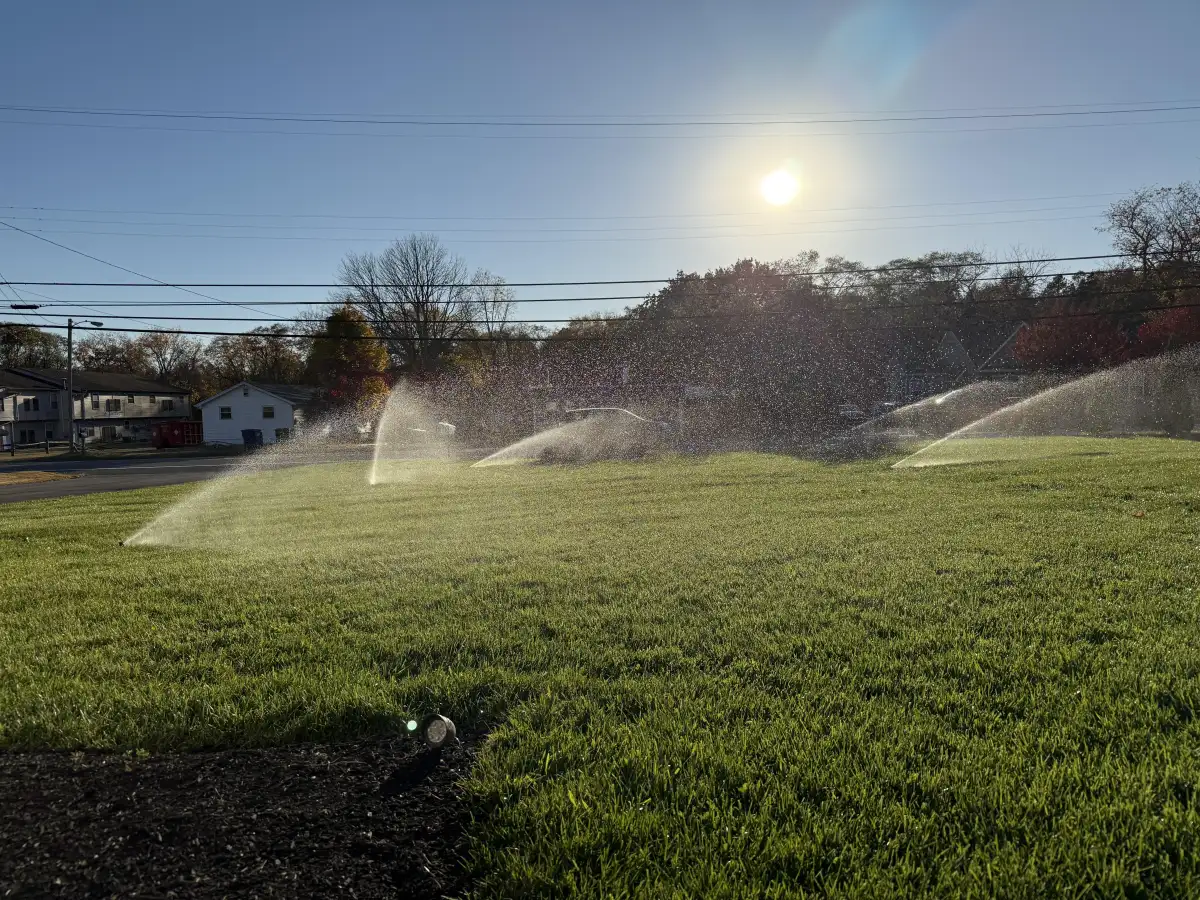
Make the First Irrigation Conversation More Useful
Before you book irrigation system service in Gloucester County, focus on what the property needs—not on naming a part or guessing the number of zones. A contractor can diagnose the technical details, but knowing which areas need water, what the existing system does, and what recently changed makes it easier to choose the right kind of visit.
Irrigation Innovations LLC is a licensed and insured contractor based in Pitman, serving homes and other properties throughout Gloucester County, NJ. The team plans, installs, repairs, and maintains irrigation systems around water pressure, grade, plant material, hardscape edges, controller access, and future service needs.
Your 60-Second Property Brief
You do not need system plans or a technical diagnosis. A short, specific description is enough to start the conversation and helps avoid booking a narrow repair visit when the property really needs a broader evaluation.
Have These Details Ready
- New system, existing system, or unknown system history.
- Lawn, planting beds, shrubs, trees, or mixed areas.
- Municipal water or a dedicated irrigation well, if known.
- Visible symptoms and the zones where they appear.
- Recent patios, fences, pools, grading, sod, or planting work.
1. Are You Adding a System, Fixing One, or Rethinking Coverage?
A property without irrigation usually begins with an installation consultation. A working system with one leak, failed zone, damaged head, or controller issue usually begins with irrigation repair. The choice becomes less obvious when an older system runs but no longer fits the landscape.
If recurring dry areas affect several zones, planting beds have replaced lawn, or previous hardscape work changed head locations, describe the request as a system evaluation. That gives the contractor a better starting point than a single symptom viewed in isolation.
2. Which Parts of the Property Need Water Separately?
Open turf, shaded lawn, narrow side yards, foundation beds, and new plantings can dry at different rates. A useful irrigation plan groups areas by watering need, sun exposure, plant material, grade, and application method instead of forcing the entire property onto one schedule.
Spray heads or rotors commonly serve turf, while dripline irrigation can provide lower-volume watering within planting beds. Mention both when they are part of the request. Keeping them on appropriate zones allows controller changes to solve one area’s needs without overwatering another.
Do Not Start With “How Many Zones Do I Need?”
Zone count follows the property plan. Water source, available pressure and flow, lawn shape, planting areas, sun and shade, grade, and the type of irrigation all influence how the system should be divided.
3. What Is the Water Source—and Has Performance Changed?
Tell the contractor whether the system uses municipal water or a dedicated irrigation well, if you know. You do not need a pressure reading before calling. Instead, share observable changes: several heads rising weakly, spray distance dropping on one zone, or coverage becoming uneven after another water-related change at the property.
Pressure and available flow influence head selection, spacing, and how much equipment can operate together. If you are considering an irrigation well conversion, include that in the original request because the water source affects the system plan as a whole.
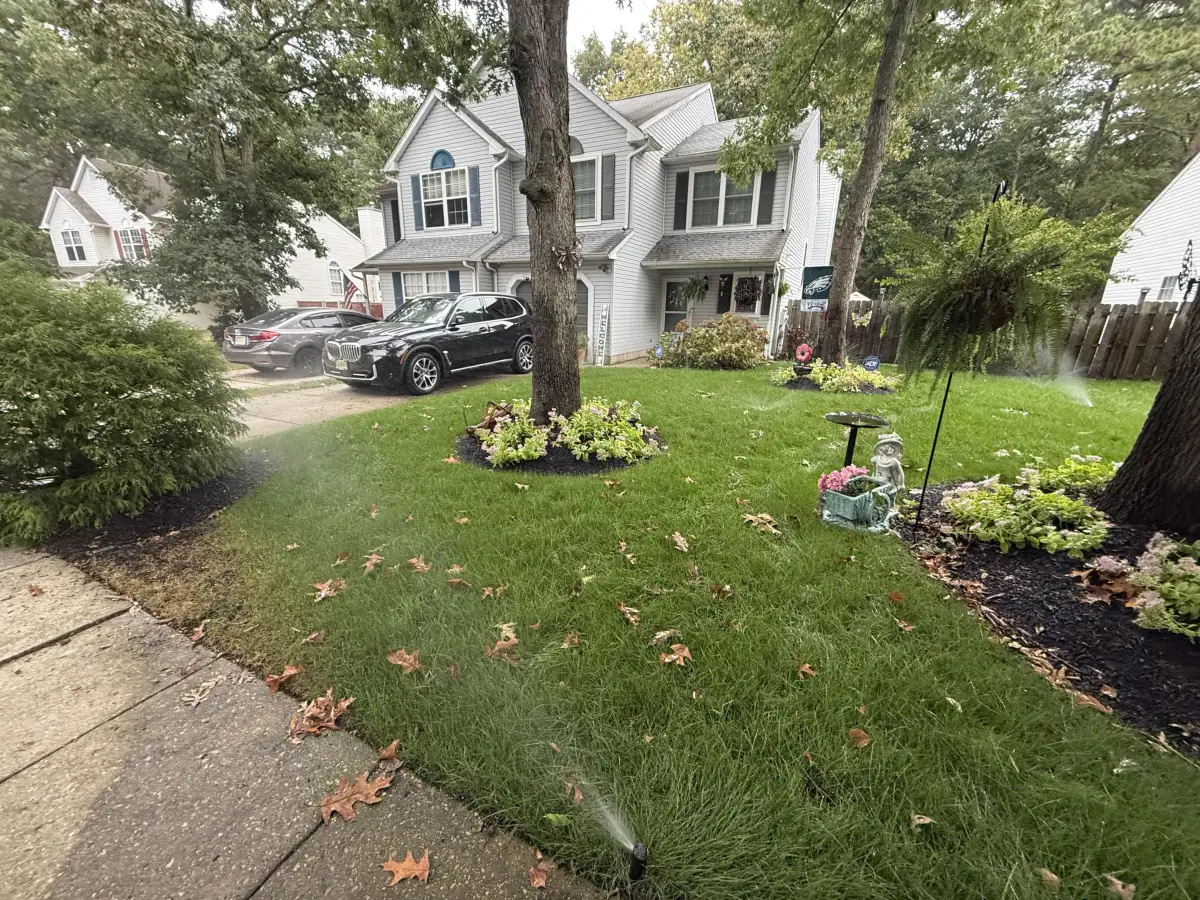
4. What Happens During a Complete Zone Test?
Run the system only if it can be operated safely, then note what happens zone by zone. Useful observations include a zone that will not start, a head that continues flowing, water against pavement, a wet spot near a valve box, or a dry wedge between working heads. The shape and timing of the problem often matter more than your guess about the failed part.
Also note controller messages, when the issue began, and whether digging or landscaping happened nearby. A professional check can then focus on valve response, damaged lines, head height, blocked spray, pressure, wiring, and programming in a logical sequence.
5. What Changed Since the System Last Worked Well?
New sod, mature plant growth, a fence, patio, pool, walkway, regraded soil, or expanded planting beds can change what good coverage looks like. Even when every component turns on, the original layout may no longer match the current property.
Share these changes before the appointment. They help distinguish a failed component from a layout that needs adjustment, a new zone, dripline, nozzle changes, or updated controller programming.
6. Is the Goal Reliability, Easier Control, or Seasonal Service?
An active leak or failed zone should be addressed before convenience upgrades. Once the system operates correctly, a smart irrigation controller may make scheduling and seasonal adjustments easier, while routine irrigation maintenance can catch coverage and component issues during a live zone check.
If timing is the main concern, say so. Spring startup brings the water on carefully and tests the system after winter. Mid-season service addresses growth, coverage, and controller settings. Fall winterization prepares the system before freezing weather.
Choose the Appointment That Matches the Decision
FAQ: Booking Irrigation System Service in Gloucester County
What should I know before booking irrigation system service?
Know whether the property has an existing system, which lawn or planting areas need attention, the water source if known, what happens when each zone runs, and whether recent landscaping or hardscape work changed the property.
Do I need irrigation repair or a new-system consultation?
Repair is usually the right starting point for a specific failure in an existing system, such as a leak, failed zone, broken head, or controller problem. A new-system consultation fits a property without irrigation or a landscape whose watering needs have changed enough to require a new layout.
Can an irrigation estimate be based only on property size or zone count?
Property size and zone count are only part of the scope. Water source, available pressure and flow, turf and planting areas, sun and shade, grade, hardscape, access, and existing equipment can all affect the recommendation.
Should lawn and planting beds use the same irrigation zones?
They generally benefit from separate zones because turf and planting beds may need different watering methods and schedules. Sprinklers can serve lawn areas while dripline provides lower-volume watering within beds.
Does Irrigation Innovations serve Gloucester County, NJ?
Yes. Irrigation Innovations LLC provides irrigation system installation, repair, maintenance, startup, winterization, dripline, smart irrigation, and well conversion service throughout Gloucester County as part of its South Jersey service area.