
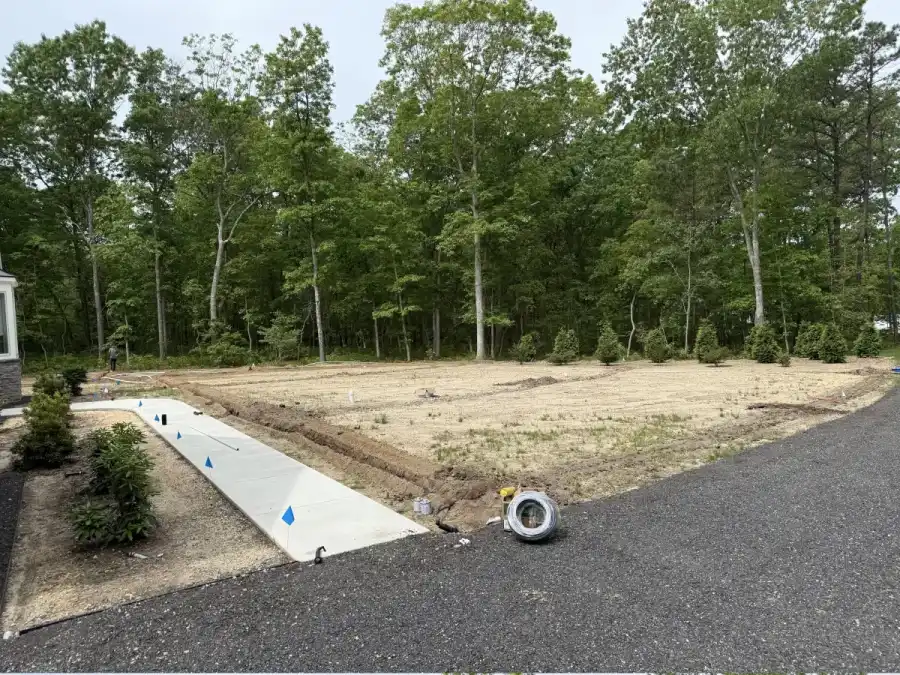
Start by Matching the Appointment to the Property
Before booking irrigation system service in Gloucester County, decide whether you need help with a new layout, a problem in an existing system, or ongoing care. Those requests begin differently. A new system starts with the property and water source. A repair starts with symptoms. Maintenance, smart controls, startup, and winterization start with the condition and seasonal schedule of the system you already have.
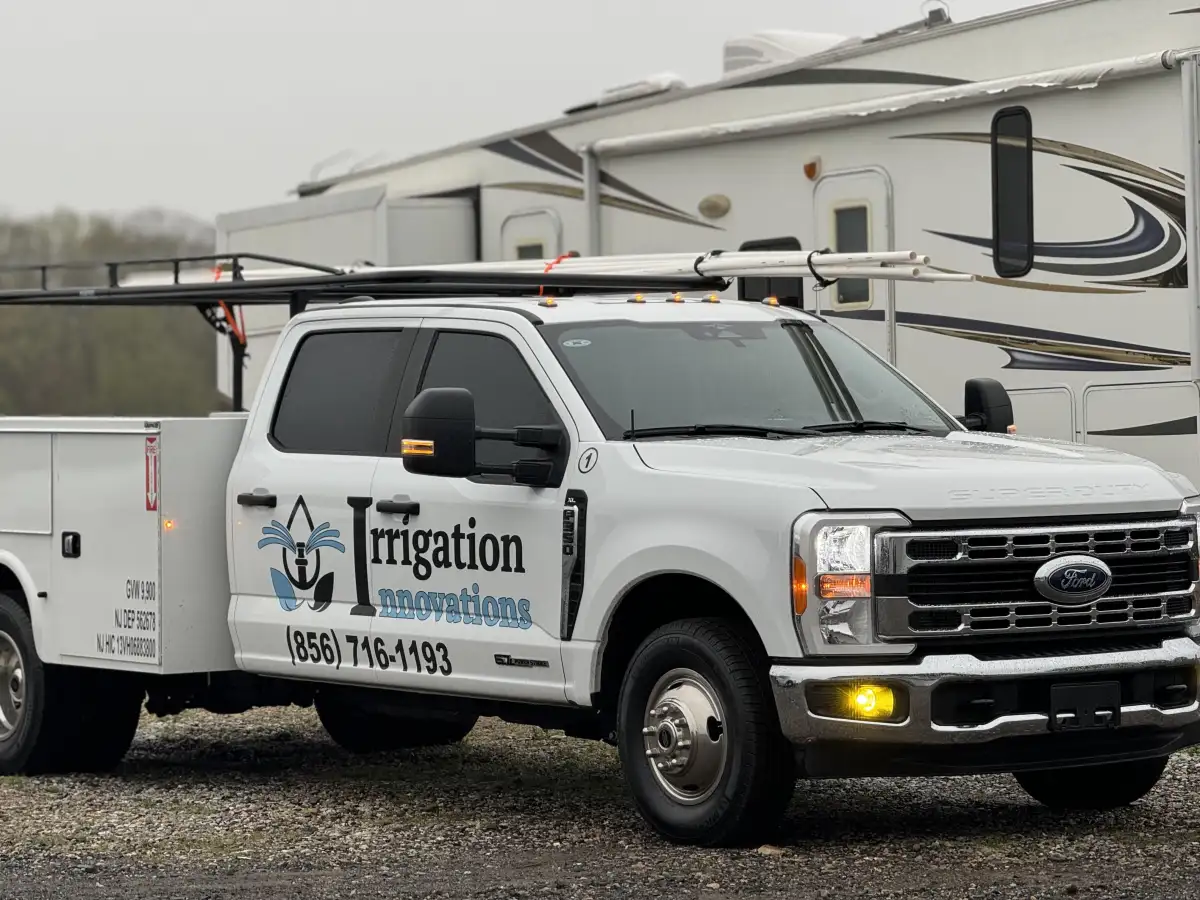
Irrigation Innovations LLC is a licensed and insured irrigation contractor based in Pitman. The team installs, repairs, and maintains irrigation systems across Gloucester County, NJ and the wider South Jersey service area. You do not need to know the technical cause before calling; a few accurate property details are more useful than a guess.
New System, Repair, or Full Evaluation?
Request a new-system consultation when the property has no irrigation, when a landscape renovation changes what needs water, or when an older layout no longer serves the lawn and beds. Book repair when an existing system has a clear failure such as a leak, a zone that will not run, broken heads, or uneven coverage.
If several concerns overlap—old controller settings, mixed turf and bed zones, recurring dry areas, or unknown system history—describe the request as a whole-system evaluation. That gives the conversation room to cover repair, adjustment, maintenance, and upgrade options in a sensible order.
Helpful Details to Have Ready
- Whether the system is new, existing, or unfamiliar to you.
- What needs water: turf, beds, shrubs, trees, or a combination.
- Municipal water or a dedicated irrigation well, if known.
- Recent sod, planting, patio, fence, pool, or grading changes.
What Areas Need Water—and Do They Need the Same Method?
A useful irrigation plan begins with the landscape, not a head count. Open lawn, narrow side strips, foundation beds, mature shrubs, new plantings, and areas divided by walks or driveways do not necessarily belong on the same zone or schedule. Gloucester County properties can move from full sun to mature shade within one yard, so the layout needs to account for how each area dries.
Sprinkler heads and rotors are commonly used for turf. Dripline can deliver lower-volume water inside planting beds. Keeping those areas on appropriate zones makes it possible to adjust timing without forcing lawn and plant material to share one watering pattern.
A Better Question Than “How Many Zones Do I Need?”
Ask how the proposed zones separate areas with different sun, plant material, watering method, grade, and pressure needs. The number of zones should follow the property plan—not the other way around.
What Should You Know About the Water Source?
Tell the contractor whether the property uses municipal water or a dedicated irrigation well, if you know. Water pressure and available flow influence zone size, head selection, and system performance. If you are considering an irrigation well conversion, make that part of the first conversation because it affects more than the controller.
For new installations, expect the property review to consider pressure, grade, plant material, hardscape edges, controller access, and future service. For existing systems, changes to the water source or pressure can help explain why coverage no longer matches the original layout.
For an Existing System, What Happens When You Run Each Zone?
You do not need to identify the failed part. Instead, note what the system does. Does one zone stay off? Does a head keep flowing after the cycle ends? Is there a dry wedge between two working heads, water against the pavement, or a soft spot that appears only while one zone runs? Those observations help separate a repair from a scheduling or coverage adjustment.
Also mention whether the controller shows an error, whether the problem began after digging or landscaping, and whether the system has been started and tested this season. A live zone check can reveal blocked heads, low heads, pressure changes, valve response, runoff, or controller programming that is no longer appropriate.
Are You Solving a Problem or Planning an Upgrade?
Handle active leaks, broken lines, nonworking zones, and unreliable valves before adding convenience upgrades. Once the system is operating correctly, smart irrigation controls, dripline additions, nozzle changes, or revised zone programming may make the system easier to manage.
Season matters too. Spring startup is the time to bring the water on carefully, test zones, and reset the controller. Summer maintenance focuses on coverage, growth around heads, and current run times. Fall winterization protects system components before freezing weather. Mention the seasonal deadline when you book.
Which Irrigation Appointment Fits Your Request?
Choose the service that best matches what you can observe. Irrigation Innovations can refine the scope after reviewing your message and property needs.
3. What Is the Water Source—and Has Performance Changed?
Tell the contractor whether the system uses municipal water or a dedicated irrigation well, if you know. You do not need a pressure reading before calling. Instead, share observable changes: several heads rising weakly, spray distance dropping on one zone, or coverage becoming uneven after another water-related change at the property.
Also note controller messages, when the issue began, and whether digging or landscaping happened nearby. A professional check can then focus on valve response, damaged lines, head height, blocked spray, pressure, wiring, and programming in a logical sequence.
How Much Does an Irrigation System Cost in Gloucester County?
There is no dependable answer based on the county or lawn square footage alone. Two similar-looking properties can require different work because water pressure and flow, lawn shape, planting beds, slopes, hardscape, service access, and controller placement all affect the plan.
For a new installation, the estimate should follow a property review. The contractor needs to understand where the water comes from, which areas need independent control, where lines can be routed, and whether sprinklers, dripline, or a combination fits the landscape. An existing system adds another question: which components and underground lines are still usable?
Instead of comparing one bottom-line number, ask which areas will be watered, how zones will be separated, what controller and components are included, how the system will be tested, and what homeowner instructions or future service are part of the scope.
Is 10 Minutes of Sprinkler Run Time Enough?
Ten minutes is a clock setting, not a watering standard. The amount of water delivered in that time changes with sprinkler type, nozzle output, pressure, head spacing, and zone condition. Soil infiltration, slope, sun, shade, temperature, rainfall, and root depth determine how that water behaves after it reaches the ground.
A short run may leave one area dry while a longer run causes another to puddle or flow onto pavement. That is why turf, shaded areas, narrow lawn strips, and planting beds should not automatically share one schedule. Where runoff begins before a zone receives enough water, shorter cycles with soak time between them may be more useful than one uninterrupted run.
Does Gloucester County's Planting Zone Set the Watering Schedule?
No. A USDA plant hardiness zone describes expected winter cold and helps homeowners choose plants that can tolerate local conditions. It does not prescribe irrigation run time. Even within one county, a sunny front lawn, a shaded backyard, an established tree line, and a new construction lot with compacted fill can hold and lose water differently.
Match watering to the plants and the specific part of the property. Lawn, shrubs, perennial beds, and new plantings can have different root depths and moisture needs. Sprinklers commonly serve turf, while drip irrigation can apply water within planting beds without forcing the lawn schedule onto them. The useful design question is not only “What grows here?” but also “Which areas need to be controlled separately?”
3. How Should a One-Acre or Mixed-Use Property Be Scoped?
Acreage does not reveal how much of the parcel needs irrigation. A one-acre property might include a maintained front lawn, shaded backyard, new trees, garden beds, play space, driveway, wooded edge, and open ground that does not need automatic watering. Mark the priority areas before asking what it costs to irrigate an acre.
Long pipe runs, changes in elevation, driveway crossings, fences, mature roots, and pressure limits also affect larger-property planning. A better estimating question is: “Which areas need separate, dependable coverage, and what can the available water supply support?”
4. Should Turf and Planting Beds Share the Same Zones?
Good zone separation gives the controller something meaningful to control. Ask how the layout will keep water on the intended landscape and away from sidewalks, driveways, buildings, and neighboring property. This matters locally because stormwater planning is an active Gloucester County concern; irrigation should not create avoidable runoff or carry water across hard surfaces.
7. What Maintenance and Access Should Be Planned From Day One?
Ask where the controller, valves, and service points will be located, how zones will be identified, and what homeowner instructions are provided. For an existing system, share known station labels, controller information, prior repairs, and any areas where digging or hardscape work occurred. Accessible, identifiable components make future diagnosis more direct.
1. Do I Need a Repair or a New Irrigation System?
A single problem does not automatically mean the whole system needs replacement. A broken head, clogged nozzle, damaged wire, leaking connection, failed valve, controller setting, or pressure problem may be addressed through irrigation repair after the cause is identified.
A wider redesign becomes a reasonable question when coverage problems affect several zones, the landscape has changed significantly, inaccessible components make repeat service difficult, or turf and beds with different watering needs cannot be controlled separately. Ask the contractor to explain what can remain, what needs correction, and what problem each proposed change solves.
5. What Happens During Irrigation Installation?
A typical installation sequence includes evaluating the water source, mapping areas with different watering needs, planning routes for pipe and wiring, placing valves and sprinkler heads or dripline, installing controls, and testing and adjusting every zone. The exact work depends on the property.
Point out driveways, walks, mature trees, fences, gates, utility areas, drainage features, and planned outdoor projects. Ask where access may be tight and what should happen before installation begins. If a patio, pool, grading, fence, sod, or major landscape change is coming, coordinating the order of work can prevent new improvements from conflicting with irrigation routes.
6. What Should the Estimate Include?
Price is only comparable when the proposed result is comparable. For a new sprinkler installation, look for a clear description of the watering areas, zone approach, major components and controls, water-source connection, site work, testing, and any items that are not included. For an existing system, ask whether the visit is diagnostic, whether repairs require separate approval, and how broader problems will be communicated.
Also ask how the system will be demonstrated after the work. A homeowner should know how zones are identified, where service points are located, how the controller is used, and which seasonal tasks need to be scheduled. These details affect ownership long after the installation or repair is finished.
FAQ: Gloucester County Irrigation System Booking Questions
How do I know whether to book irrigation repair or a new-system consultation?
Book repair when an existing system has a defined problem such as a leaking line, a zone that will not run, broken heads, or uneven coverage. Request a new-system consultation when the property has no irrigation, the landscape is being redesigned, or the existing layout no longer fits what needs to be watered.
What information should I have ready before I call?
Share whether the system is new or existing, which areas need water, the visible symptoms, the controller location, the water source, recent landscape or hardscape changes, and whether the request is seasonal. You do not need to diagnose the exact failed component yourself.
Can one irrigation system water both lawn and planting beds?
Yes, but turf and planting beds usually need different watering methods and schedules. Sprinkler heads can cover lawn areas, while dripline can deliver lower-volume water within beds. Separate zones allow each area to be scheduled appropriately.
Does Irrigation Innovations provide irrigation system service throughout Gloucester County, NJ?
Yes. Irrigation Innovations LLC is based in Pitman and provides irrigation system installation, repair, maintenance, startup, winterization, dripline, smart controller, and well conversion service throughout Gloucester County as part of its South Jersey service area.