
Know What You Are Booking Before the Appointment
“I need someone to look at my irrigation” can describe several very different appointments. One Gloucester County homeowner may be planning a complete system for a new landscape. Another may have one dry area, a valve that will not close, an outdated controller, or a system that has not run since last season. Starting with the right request helps the visit focus on the actual problem.
The questions below are grounded in the decisions that repeatedly shape irrigation work: installation versus repair, the area to be watered, water supply, zone design, property access, estimate scope, and seasonal care. They are useful whether you are considering a new irrigation system or trying to make an existing one work better.
New System, Repair, Upgrade, or Seasonal Service?
You do not need to diagnose the system before calling. A few observations can help distinguish a new-installation conversation from a targeted service visit.
Describe What You See
- No existing system and a defined lawn or landscape to water
- One zone, head, valve, or controller behaving differently from the rest
- Several dry areas, repeated leaks, or coverage that no longer fits the landscape
- A planned patio, pool, fence, grading, sod, or planting project
- A seasonal need such as spring start-up or fall winterization
1. Do I Need a Repair or a New Irrigation System?
A single problem does not automatically mean the whole system needs replacement. A broken head, clogged nozzle, damaged wire, leaking connection, failed valve, controller setting, or pressure problem may be addressed through irrigation repair after the cause is identified.
A wider redesign becomes a reasonable question when coverage problems affect several zones, the landscape has changed significantly, inaccessible components make repeat service difficult, or turf and beds with different watering needs cannot be controlled separately. Ask the contractor to explain what can remain, what needs correction, and what problem each proposed change solves.
Run the Existing System Before the Visit
If it is safe to do so, note the controller station number and yard area involved when a problem appears. Watch for heads that do not rise, weak or misting spray, water on pavement, pooling, unusually wet soil, dry wedges, and zones that will not start or stop. Those observations are more useful than guessing which buried part failed.
2. What Affects Irrigation System Cost?
Online averages rarely describe the same property or scope. A useful estimate is built around the area that actually needs automatic watering, not only the lot size. It may also account for available pressure and flow, the number and type of zones, controller and component choices, pipe distances, elevation changes, hardscape crossings, site access, and the condition of anything being reused.
This is especially important when asking how much a sprinkler system costs for an acre. An acre could include maintained turf, garden beds, buildings, driveways, wooded edges, or open ground that does not need irrigation. Define the irrigated area first. Then compare whether each estimate includes the same coverage, water-source work, controls, testing, cleanup, and exclusions.
3. How Should Gloucester County Yard Conditions Affect the Design?
A lawn is not one uniform watering surface. Full-sun turf may dry faster than a shaded side yard. A planting bed may need slower, targeted drip irrigation instead of overhead spray. Sloped areas can begin shedding water sooner than level ground, while compacted fill or sandy soil may respond differently to the same run time.
Ask how the system will separate sun from shade, turf from beds, and open lawn from narrow strips or hardscape edges. Useful zone separation makes controller adjustments meaningful. It also helps keep water off pavement, buildings, and neighboring areas.
4. Can the Water Source Support the Proposed Zones?
Pressure and flow influence how irrigation zones are arranged and how many heads or emitters can operate at once. Tell the contractor whether the property uses municipal water or an irrigation well, if known. On an existing system, mention heads that rise slowly, reduced spray distance, or pump behavior that has changed.
The contractor can determine how the supply should be evaluated; the homeowner does not need to design that test. If a different water source is under consideration, raise an irrigation well conversion during the first conversation so supply, controls, and zone needs can be considered together.
5. What Happens During Irrigation Installation?
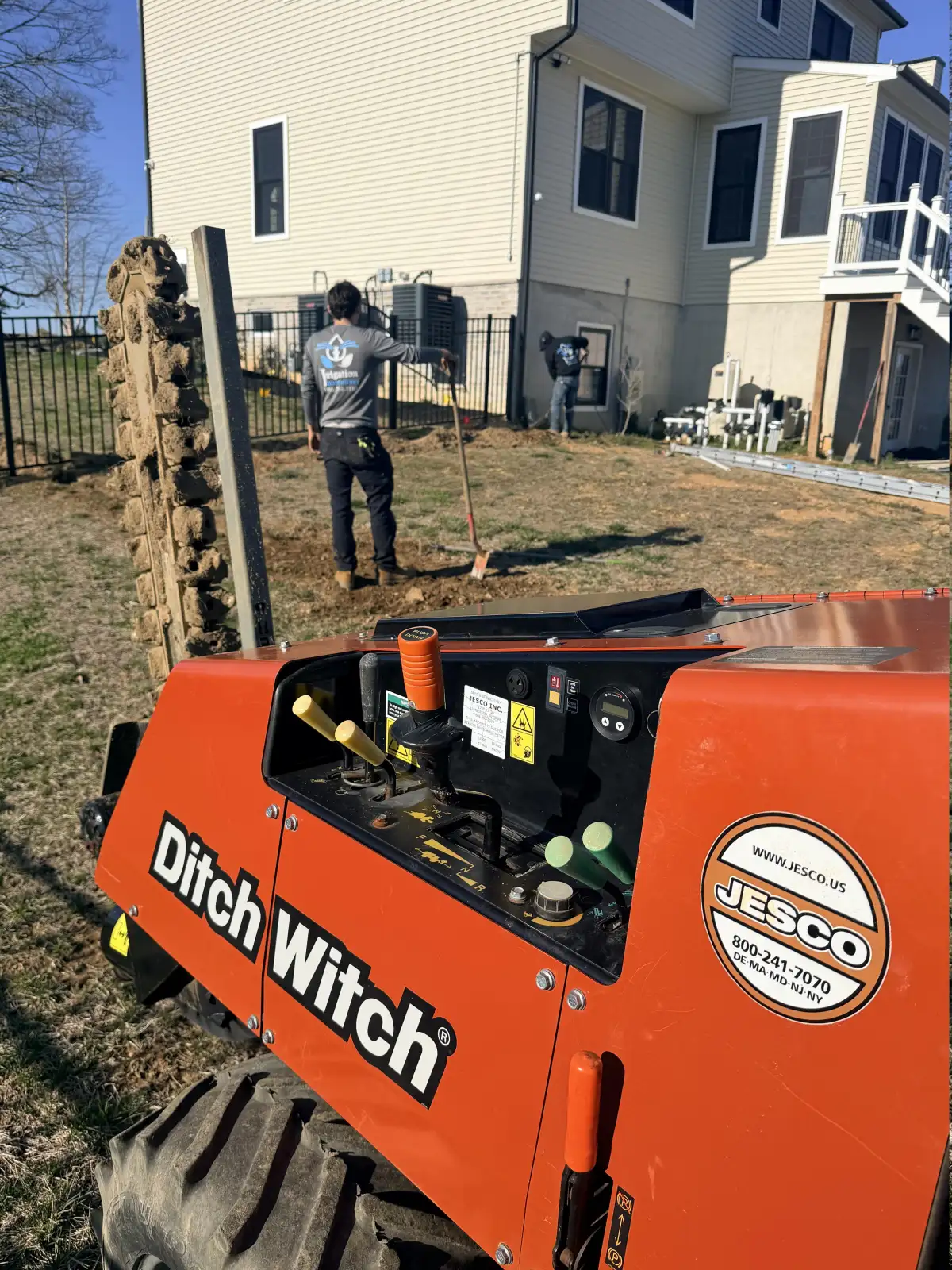
A typical installation sequence includes evaluating the water source, mapping areas with different watering needs, planning routes for pipe and wiring, placing valves and sprinkler heads or dripline, installing controls, and testing and adjusting every zone. The exact work depends on the property.
Point out driveways, walks, mature trees, fences, gates, utility areas, drainage features, and planned outdoor projects. Ask where access may be tight and what should happen before installation begins. If a patio, pool, grading, fence, sod, or major landscape change is coming, coordinating the order of work can prevent new improvements from conflicting with irrigation routes.
6. What Should the Estimate Include?
Price is only comparable when the proposed result is comparable. For a new sprinkler installation, look for a clear description of the watering areas, zone approach, major components and controls, water-source connection, site work, testing, and any items that are not included. For an existing system, ask whether the visit is diagnostic, whether repairs require separate approval, and how broader problems will be communicated.
Also ask how the system will be demonstrated after the work. A homeowner should know how zones are identified, where service points are located, how the controller is used, and which seasonal tasks need to be scheduled. These details affect ownership long after the installation or repair is finished.
7. What Seasonal Care Will the System Need?
New Jersey weather makes irrigation ownership seasonal. A careful spring start-up brings water back gradually and creates an opportunity to check heads, valves, coverage, and controller settings. During the watering season, landscapes grow and weather changes, so zone performance and schedules may need adjustment.
Before freezing conditions, professional irrigation winterization helps clear water from vulnerable system components. Ask about seasonal care before booking so the ongoing responsibilities are understood from the beginning rather than discovered after the first change of season.
FAQ: Gloucester County Irrigation System Questions
Do I need irrigation repair or a new system?
A service visit can determine whether the problem is limited to a head, valve, line, wire, controller, or one zone. Repeated failures, major landscape changes, or poor coverage across several zones may justify discussing a redesign or replacement.
What affects the cost of an irrigation system in Gloucester County?
Cost depends on the area that actually needs water, the number and type of zones, water-source capacity, pressure and flow, controller and component choices, pipe routes, hardscape crossings, grade, access, and the condition of any existing system.
How much is a sprinkler system for a one-acre property?
An acre is the parcel size, not necessarily the irrigated area. A useful estimate identifies which lawns and planting beds need automatic watering, then accounts for water supply, zones, pipe distances, access, slopes, hardscape, and the watering method for each area.
What happens during irrigation system installation?
Installation commonly includes evaluating the water source, mapping separate watering areas, planning pipe and wire routes, placing valves and heads or dripline, installing controls, and testing and adjusting each zone. The exact sequence and access needs depend on the property.
What should I ask an irrigation contractor before booking?
Ask what appointment fits the problem, what the estimate includes, how the water source and zones will be evaluated, what areas may be disturbed, how the system will be tested, and what seasonal maintenance will be needed after the work.
What maintenance does a New Jersey irrigation system need?
Plan for a careful spring start-up, periodic zone and coverage checks, controller adjustments as weather and landscapes change, prompt attention to leaks or damaged heads, and winterization before freezing conditions.