
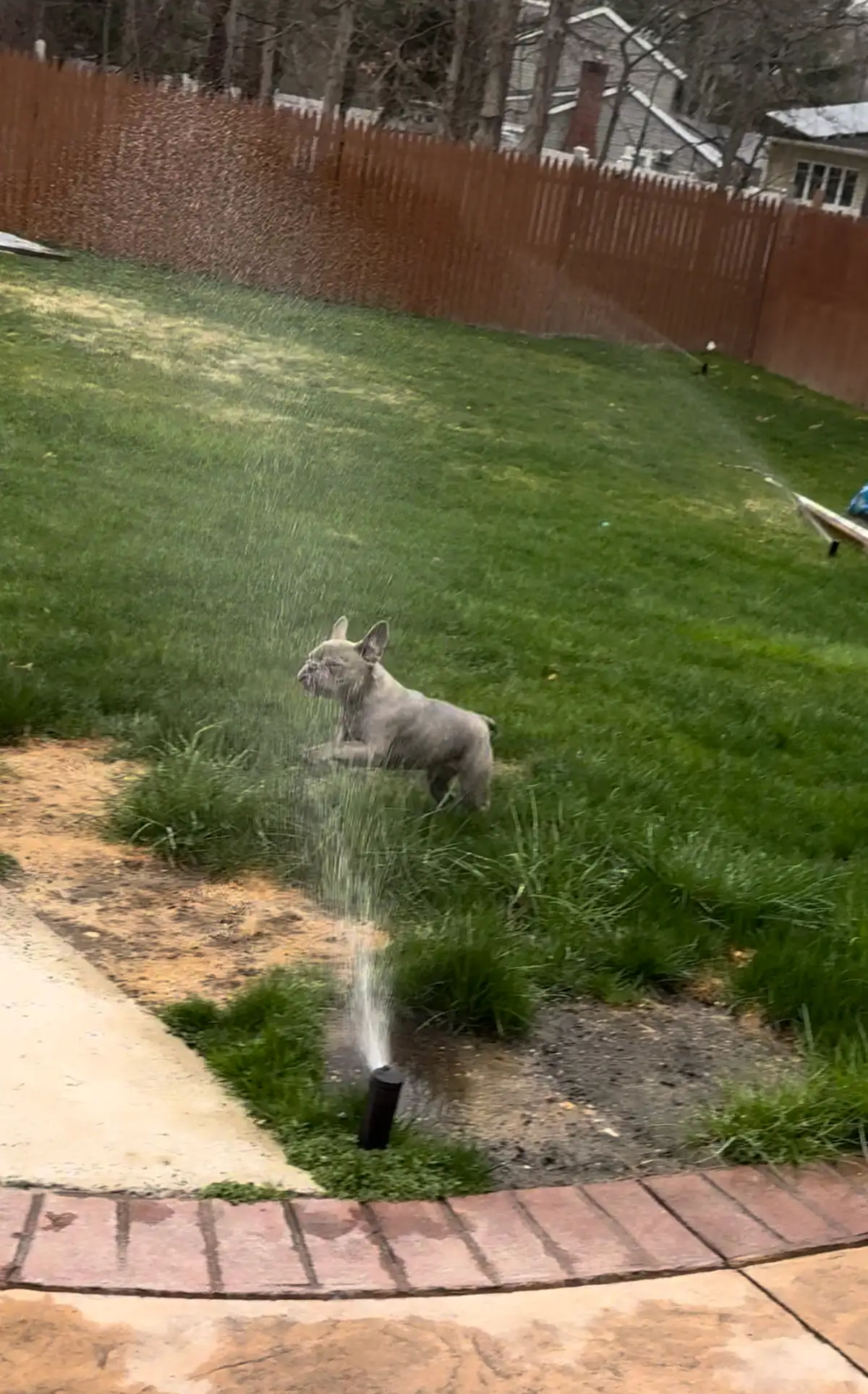
Spring Sprinkler System Start-Up in South Jersey, NJ
Get your irrigation system ready for the growing season with professional spring activation. System pressurization, zone testing, head adjustment, and controller programming — all in one visit.
Professional Spring Irrigation Activation for South Jersey
Spring sprinkler start-up in New Jersey is best scheduled for late March through April, once overnight temperatures consistently stay above 37 degrees F. A professional spring activation includes gradual system pressurization, zone-by-zone testing, head adjustment, and controller programming for the growing season. This is also the best time to identify winter damage before it becomes a bigger problem.
A spring start-up is the complement to fall winterization — together, they form the bookends of your irrigation season. While winterization protects your system from freeze damage, spring start-up ensures everything is working properly before your lawn and landscape depend on it for summer moisture.
Turning your system back on without a professional inspection is risky. Freeze-thaw cycles over the winter can crack pipe joints, damage valve diaphragms, and shift sprinkler heads out of alignment. Opening the water supply at full pressure to a compromised system can turn a hairline crack into a geyser. A proper start-up uses gradual pressurization and systematic zone testing to catch these issues safely. For a step-by-step walkthrough of the full process, see our spring irrigation checklist.
Our Spring Start-Up Service
Every spring activation follows the same thorough process, designed to get your system running efficiently and to catch any winter damage before it causes problems:
- Backflow preventer reassembly — Close drain ports, reassemble test cocks, and verify proper operation before pressurizing the system.
- Gradual pressurization — We slowly open the main water supply to bring the system up to pressure gradually, reducing the risk of water hammer damage to pipes and fittings.
- Zone-by-zone testing — Every zone is activated from the controller and run for a full cycle. We walk each zone checking for proper head operation, coverage, and any signs of damage.
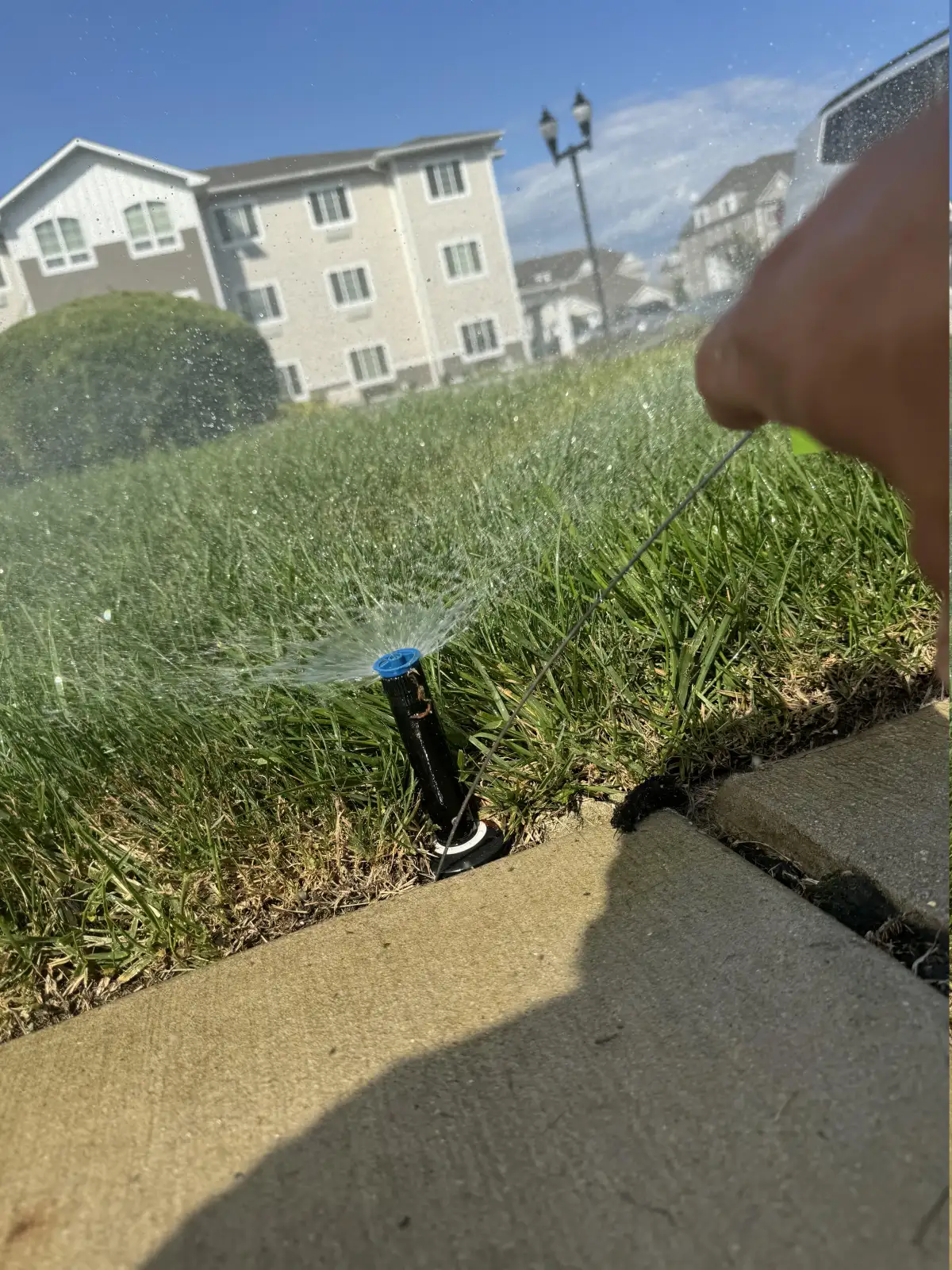
- Head inspection and adjustment — Every sprinkler head is checked for damage, proper pop-up height, arc alignment, and nozzle condition. We straighten tilted heads, clean clogged filters, and replace broken components.
- Leak detection — We monitor system pressure and visually inspect all valve boxes, risers, and low areas for signs of underground leaks that may have developed over winter.
- Controller programming — We update run times, start times, and watering days for spring conditions. This includes activating any seasonal adjustment features and verifying rain sensor operation.
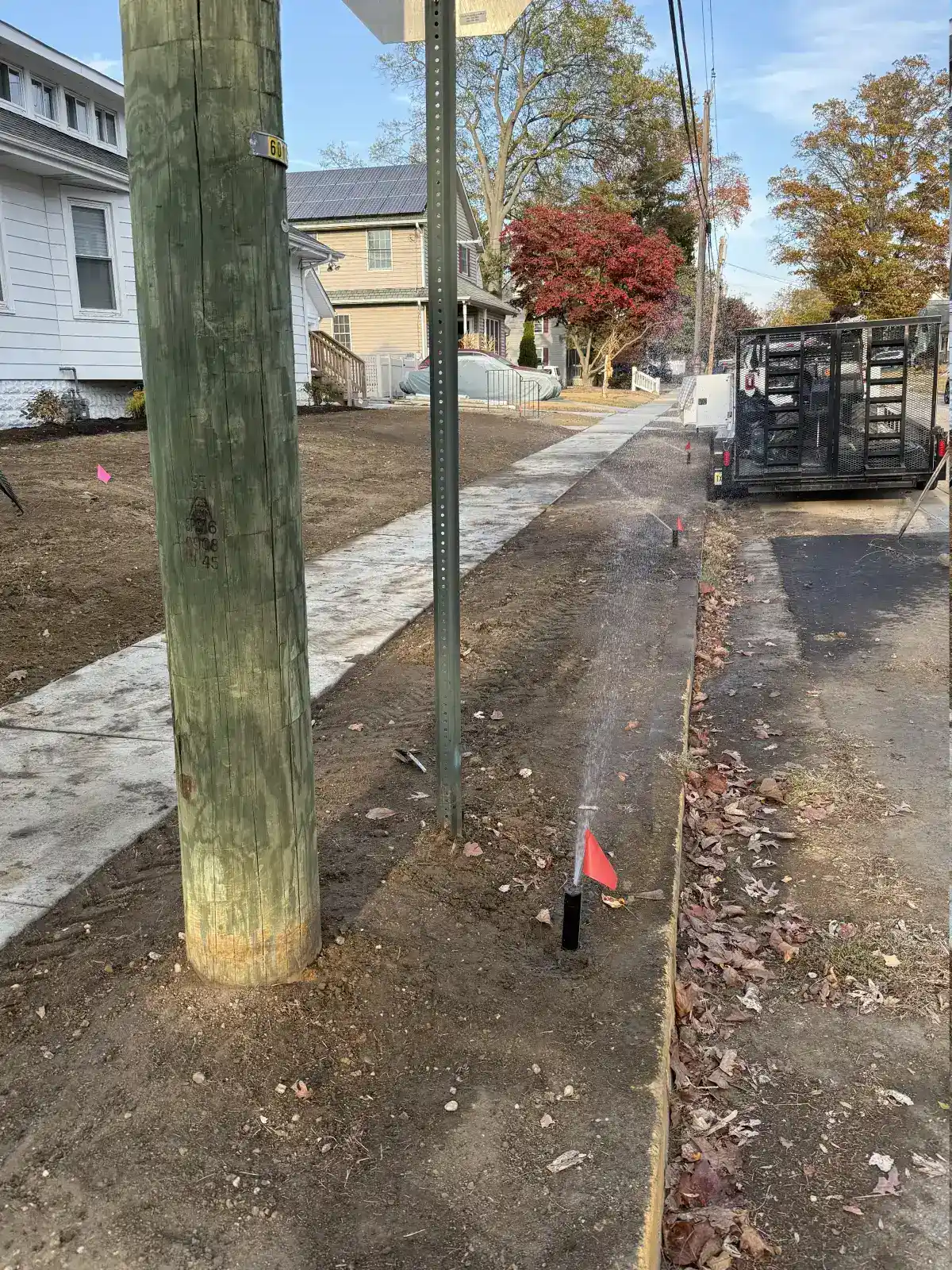
Spring Start-Up Process
Backflow and Supply Check
Reassemble the backflow preventer, close winterization drain ports, and slowly open the main water supply valve to pressurize the system without water hammer.
Zone Testing
Run every zone from the controller while walking the property. Check each head for proper operation, arc, and coverage. Note any winter damage or repairs needed.
Adjustments and Repairs
Straighten tilted heads, adjust arcs and spray patterns, replace broken nozzles, and clean clogged filters. Minor repairs are handled on the spot.
Controller Programming
Set spring watering schedule with appropriate run times, start times, and watering days. Verify rain sensor is functional and properly calibrated.
Why You Should Not Just Turn the Valve and Walk Away
It is tempting to simply open the main valve and start your controller in the spring. Here is why a professional start-up is worth the investment:
- Water hammer prevention — Opening the main valve at full pressure into a system with air pockets can cause water hammer — sudden pressure spikes that crack pipes and damage valves. Gradual pressurization eliminates this risk.
- Early damage detection — Winter damage to pipes, heads, and valves is invisible until you run the system. Catching a cracked mainline during a controlled start-up prevents flooding and yard damage.
- Proper spring programming — Spring watering needs are very different from summer. Running summer schedules in spring wastes water and can promote fungal disease in cool, wet conditions.
- Warranty maintenance — Professional start-up counts toward your maintenance requirement for our 5-year warranty coverage.
Spring Sprinkler Start-Up Cost and Timing in South Jersey
A professional spring sprinkler start-up in South Jersey typically costs between $75 and $150 for a standard residential system, depending on the number of zones and the size of your property. This service includes the full process described above: backflow reassembly, gradual pressurization, zone-by-zone testing, head inspection and adjustment, leak detection, and controller programming for the spring season. If minor repairs are needed during the activation, such as replacing a broken head or cleaning clogged nozzles, those are handled on the spot at the standard parts-and-labor rate.
Compared to the cost of repairing damage caused by an improper DIY start-up, professional spring activation is a fraction of the price. A water hammer event from opening the main valve too quickly can crack PVC mainlines, and mainline repair typically runs $250 to $600 depending on the depth and location of the break. By investing in a controlled start-up, you protect your system and avoid the expense and inconvenience of emergency excavation and repair.
When to Schedule by County
Spring start-up timing varies across South Jersey because of differences in soil composition and microclimates. As a general guide, here is when we recommend scheduling your spring sprinkler start-up based on our experience working in each county:
- Gloucester and Camden Counties -- Late March to mid-April. These inland counties typically see frost risk diminish by mid-March, and ground temperatures warm quickly in the sandy loam soils common throughout Washington Township, Pitman, and Cherry Hill.
- Burlington County -- Late March to mid-April. Similar timing to Gloucester, though properties in the northern reaches near the Pine Barrens may hold frost slightly longer due to sandy soil that cools rapidly at night.
- Atlantic and Cape May Counties -- Early to mid-April. Coastal counties benefit from the ocean's moderating effect, but spring arrives later along the shore. Salt air can also cause corrosion on exposed backflow preventer components, which we check during the start-up inspection.
- Salem and Cumberland Counties -- Late March to early April. These agricultural counties have deep, well-drained soils that warm up quickly in spring. Larger residential properties and farms in this area often have more zones and longer run times that benefit from professional controller programming.
Signs Your System Needs Professional Start-Up
Even if you have turned on your sprinkler system yourself in past years, there are situations where professional spring start-up is especially important:
- Your system was not winterized -- If your sprinklers were not blown out before the first freeze, there is a high likelihood of cracked pipes, damaged valves, or broken heads that need to be identified before pressurizing the system.
- You had repairs done last season -- Any recent repair work should be verified under pressure before running the system unattended. New fittings and splices can shift during winter freeze-thaw cycles.
- Your controller lost power -- If your controller was unplugged, lost power during a winter storm, or had its battery backup fail, all programming will need to be reset from scratch. Incorrect zone run times waste water and can damage your landscape.
- You notice standing water or soft spots in your yard -- Before you even turn on the system, visible wet areas or sunken ground near irrigation lines suggest a leak that developed over the winter. Running water through a broken line before locating the damage will make the problem worse.
- Your system is more than 10 years old -- Older systems have components that are more vulnerable to winter stress. Professional start-up provides an annual inspection that catches aging parts before they fail during peak summer usage.
We begin scheduling spring sprinkler start-up appointments in early March, and our busiest window is the first two weeks of April. Booking early ensures you get your preferred date and avoids the rush that comes once warm weather arrives and everyone remembers their irrigation at once. Contact us to schedule your spring activation or call (856) 716-1193 to speak with our team directly.
Year-Round Irrigation Care
Winterization
The fall counterpart to spring start-up. Compressed air blowout protects your system from freeze damage over the winter months.
Maintenance Plans
Bundle spring start-up with mid-season maintenance and fall winterization for complete year-round system care and maximum warranty coverage.
Sprinkler Repair
If spring start-up reveals winter damage that needs more than minor adjustment, our repair team can fix cracked pipes, broken heads, and failed valves.
Spring Start-Up FAQs
The ideal timing for spring sprinkler start-up in South Jersey is late March through mid-April. The key indicator is overnight temperatures consistently above 37 degrees F, which means the frost risk has passed and the ground has thawed enough for the system to operate safely. We begin scheduling spring start-ups in early March — the first two weeks of April are our busiest window, so booking early ensures you get your preferred date.
Winter damage is one of the primary reasons we recommend professional start-up instead of DIY activation. If we discover cracked pipes, broken heads, or failed valves during the start-up process, we will identify and document all damage, provide a repair estimate on the spot, and can often complete minor repairs during the same visit. For more extensive damage, we schedule a follow-up repair visit as quickly as possible. Catching damage during a controlled start-up prevents the flooding and yard destruction that happens when you simply turn the valve on and walk away.
You can, but we do not recommend it. The main risks are water hammer (sudden pressure spikes that damage pipes), undiscovered winter damage that worsens under pressure, and improper programming that wastes water during the cooler spring months. If you do attempt a DIY start-up, open the main valve very slowly over several minutes and run each zone manually while inspecting every head and valve box. However, most homeowners find that the cost of a professional start-up is well worth the peace of mind — and it counts toward your warranty maintenance requirements.